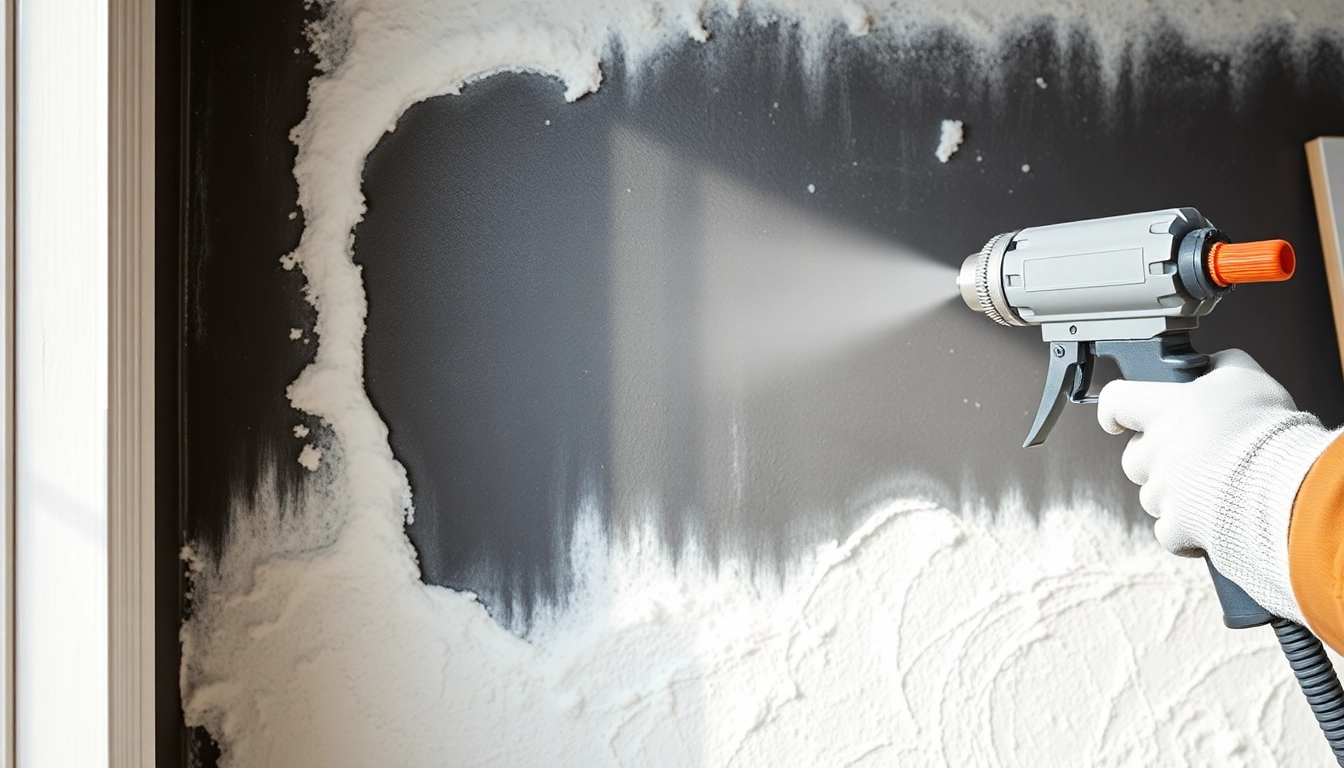
Introduction to Spray Foam and Damp Issues
In the realm of home insulation, spray foam causing damp often surfaces as a heated topic among homeowners and industry professionals alike. Understanding the intricate relationship between spray foam insulation and moisture management is critical for ensuring a safe and comfortable living environment. Over the years, spray foam insulation has gained remarkable popularity due to its energy efficiency and air-sealing capabilities. However, without proper understanding and installation, the very insulation that retains energy could become a conduit for dampness, leading to moisture problems within homes.
1.1 What is Spray Foam Insulation?
Spray foam insulation is a modern insulating material that expands upon application, creating an airtight seal. Composed of two primary components: a polyol resin and an isocyanate, spray foam can be classified into two categories: open-cell and closed-cell varieties. Open-cell spray foam is lighter and more flexible, offering a lower R-value, which indicates its effectiveness at reducing heat transfer, while closed-cell spray foam has a higher R-value and forms a more rigid barrier. Both types offer unique benefits regarding thermal performance, soundproofing, and moisture control.
1.2 Common Causes of Dampness in Homes
Dampness in homes can stem from several sources. Inadequate ventilation, leakage from plumbing, external water ingress, and condensation accumulation are some primary culprits. Changes in temperature can lead to warm air meeting cool surfaces which can create condensation—a significant contributor to damp problems. Among the most insidious causes of dampness in homes is poor insulation practices, which disrupt the balance between internal humidity and external climatic conditions, leading to an ideal environment for mold and mildew growth.
1.3 How Spray Foam Improves Energy Efficiency
Spray foam insulation enhances energy efficiency by reducing air leakage and creating a superior thermal barrier. This insulation minimizes the amount of heated or cooled air that escapes a home, subsequently reducing energy consumption and lowering utility bills. When applied correctly, spray foam not only keeps homes warm during winter and cool during summer but also plays a vital role in moisture management by controlling humidity levels, thus mitigating the risk of damp issues.
The Science Behind Dampness and Spray Foam
2.1 Moisture Retention and Heat Loss
The relationship between moisture retention and heat loss is complex. When a home is insulated with spray foam, the intention is to keep conditioned air inside and prevent unwanted outside air from entering. However, if the humidity levels inside become too high, or if the spray foam is not installed correctly, moisture can become trapped, causing dampness. Understanding how moisture behaves is essential for maintaining a healthy indoor environment while enjoying the benefits of energy-efficient insulation.
2.2 The Role of Vapor Barriers
Vapor barriers are critical in managing moisture within a home. They act as a shield against moisture penetration from the outside while allowing any interior moisture to escape. In homes with spray foam insulation, the installation of vapor barriers can help mitigate the risks associated with trapped moisture, reducing the chances of spray foam causing damp. Properly placed vapor barriers in conjunction with spray foam ensure that moisture does not bypass the insulation layer, maintaining the intended thermal and protective efficiency.
2.3 Understanding Condensation and Mold Risks
Condensation occurs when warm, humid air comes into contact with cold surfaces, leading to moisture buildup. This is particularly relevant in poorly insulated areas or where vapor barriers are absent. When spray foam insulation is improperly installed, or if there is a lack of adequate ventilation, condensation can occur, fostering an environment conducive to mold and mildew. Recognizing the signs of condensation and addressing underlying issues is crucial to maintaining a healthy indoor climate.
Identifying the Symptoms of Dampness
3.1 Visible Signs of Dampness
Homeowners should be vigilant in observing visible signs of dampness, which can include water stains on walls and ceilings, peeling or bubbling paint, musty odors, and mold growth in corners or around windows. These symptoms are often indicative of underlying moisture problems that require prompt attention. Not only do these signs diminish the aesthetic appeal of a home, but they also pose potential health risks to occupants.
3.2 Impact on Indoor Air Quality
Dampness significantly affects indoor air quality, as it promotes mold growth, dust mites, and other allergens. Poor indoor air quality can lead to adverse health effects, such as respiratory problems and skin irritations. Homeowners must be aware of the potential health risks associated with damp environments and take proactive measures to address moisture issues to ensure a safe, healthy living space.
3.3 The Consequences of Ignoring Damp Problems
Ignoring dampness issues can have severe repercussions, including structural damage to a home, increased energy costs, and health challenges for occupants. Prolonged exposure to damp conditions can lead to deteriorating building materials, resulting in extensive repair needs and reduced property value. Homeowners should not underestimate the importance of addressing damp problems promptly to avoid costly consequences in the future.
Addressing the Problem: Solutions and Best Practices
4.1 Correct Installation of Spray Foam
Proper installation of spray foam insulation is crucial in preventing dampness issues. Homeowners should consult professionals who are experienced in spray foam applications and familiar with local building codes and best practices. Correct installation ensures that the foam adheres evenly, seals gaps effectively, and integrates vapor barriers where necessary, thus minimizing any risks associated with moisture buildup.
4.2 Regular Inspections and Maintenance
Regular inspections and maintenance are essential for identifying potential damp problems early. Homeowners should conduct periodic checks of insulation integrity, look for visible signs of dampness, and evaluate moisture levels within their homes. Engaging professionals for routine evaluations can provide additional security and peace of mind in maintaining a damp-free environment.
4.3 Alternative Solutions and When to Consider Them
While spray foam insulation is beneficial, it is not the only option. Homeowners should consider alternative insulation methods, such as fiberglass or cellulose, particularly in circumstances where moisture is a significant concern. Understanding the pros and cons of each insulation type will enable homeowners to make informed choices that align with their specific needs and environmental conditions.
FAQs about Spray Foam and Damp Management
5.1 How does spray foam insulation prevent damp?
Spray foam insulation creates an airtight seal that minimizes air leakage and moisture penetration, helping to regulate humidity levels and reduce damp issues.
5.2 Can poorly installed spray foam cause dampness?
Yes, improper installation can trap moisture and lead to condensation, resulting in moisture problems and potential mold growth within the home.
5.3 What are the signs that my home has damp issues?
Signs of damp include water stains, musty odors, peeling paint, and visible mold growth. These indicators should not be ignored.
5.4 How often should I inspect my insulation?
Regular inspections of insulation should be conducted at least once a year or more frequently in areas with high humidity or after significant weather events.
5.5 Are there any health risks associated with damp?
Yes, damp conditions can promote mold growth and attract allergens, posing risks such as respiratory issues, skin irritations, and other health complications.