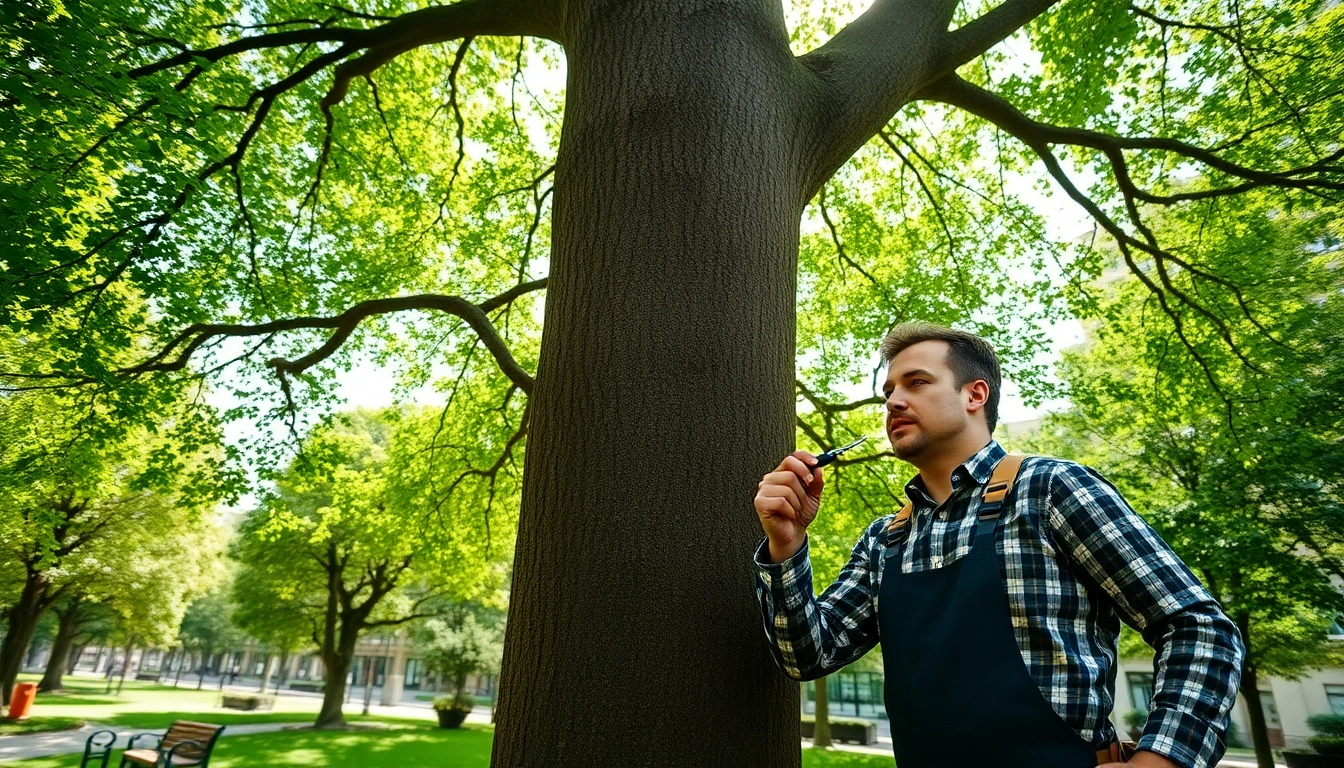
Understanding Tree Consultancy: What You Need to Know
Tree consultancy is an essential aspect of urban and rural land management, focusing on the health and maintenance of trees. By providing insights into tree species, health assessments, and landscape integration, Tree Consultancy plays a vital role for homeowners, municipalities, and developers alike. Understanding the importance of this service can lead to better tree care practices and ultimately contribute to a healthier environment.
Definition and Importance of Tree Consultancy
Tree consultancy refers to the professional advice and services provided by arboricultural experts in the management and care of trees. These experts diagnose tree health, recommend best practices for care, and assess safety risks associated with trees in various settings. The importance of tree consultancy cannot be overstated—it helps prevent tree-related hazards, enhances landscape aesthetics, and promotes ecological benefits such as air quality improvement and habitat creation.
Key Services Offered by Tree Consultancies
Tree consultancies offer a wide range of services, including but not limited to:
- Tree Inspections: Comprehensive evaluations to determine tree health, growth patterns, and structural integrity.
- Pest and Disease Identification: Diagnosing issues to provide targeted treatments and recommendations.
- Tree Risk Assessment: Analyzing potential risks posed by trees to ensure public safety.
- Management Plans: Developing long-term strategies for tree care, considering species, location, and environmental factors.
- Consultation for Development Projects: Guidance on tree preservation during construction and land development.
Benefits of Hiring a Tree Consultant
Engaging a tree consultant offers numerous benefits:
- Expert Knowledge: Tree consultants possess specialized education and training, ensuring informed decision-making.
- Risk Management: Professionals can identify dangers posed by trees and recommend mitigation strategies.
- Quality Recommendations: Consultants provide tailored advice based on scientific data to enhance tree health and aesthetics.
- Legal Compliance: They ensure that tree management practices adhere to local laws and regulations.
The Role of Technology in Tree Consultancy
Technology is revolutionizing tree consultancy practices, making services more effective, efficient, and accurate. Innovative tools are becoming indispensable in the assessment and management of trees, providing consultants with detailed insights.
Innovative Tools and Techniques
Modern tree consultancy employs various tools and techniques, such as:
- Drones: Aerial imagery allows for large-area assessments, making it easier to identify tree health issues in difficult-to-reach locations.
- Mobile Apps: Software solutions for field data collection simplify the documentation of tree health data and facilitate real-time analysis.
- 3D Imaging: This technology provides a detailed visualization of tree structures, aiding in risk assessments and health evaluations.
Software Solutions for Tree Management
Tree management software has emerged as an essential tool for arborists:
- Data Management: These systems streamline data collection, making it easier to store, access, and analyze tree-related information.
- Mapping and Planning: Geographic information systems (GIS) aid in mapping tree locations and planning for landscaping projects.
- Reporting Tools: Automated reporting features enable better communication with clients and stakeholders.
Case Studies on Successful Technology Use
Numerous case studies illustrate how technology has transformed tree consultancy:
- A municipality implemented drone technology to assess the health of urban trees, significantly reducing the time required for inspections.
- A private consultancy used 3D imaging to visualize tree structures, leading to improved risk assessments and management strategies for commercial properties.
Common Challenges Faced in Tree Consultancy
Despite the advancements within the field, tree consultancy faces several challenges that can hinder effective tree management.
Identifying Tree Diseases and Pests
One primary challenge is accurately diagnosing diseases and pests. Symptoms can often be misleading and require a nuanced understanding of tree biology.
Risk Assessment Procedures
Assessment procedures can sometimes be subjective, leading to discrepancies in evaluating tree risk. Establishing objective assessment criteria can help mitigate this issue.
Balancing Development and Conservation Efforts
Consultants often navigate the delicate balance between development projects and tree conservation, requiring clear communication and negotiation skills to find sustainable solutions.
Best Practices for Effective Tree Consultancy
Implementing best practices is crucial for ensuring effective tree consultancy services.
Conducting Comprehensive Tree Inspections
Tree inspections should be thorough and systematic, examining the tree’s structural integrity, health, and surrounding environment. Utilizing a checklist can enhance the consistency of assessments.
Communicating with Clients and Stakeholders
Clear communication helps build trust and ensures stakeholders understand tree health issues and recommended actions. Utilizing visual aids and reports can reinforce the messages.
Implementing Sustainable Practices
Adopting sustainable practices in tree management not only benefits the environment but also enhances the long-term viability of consultancy services. This includes recommendations for native species planting and integrated pest management.
Future Trends in Tree Consultancy
The future of tree consultancy is poised for transformation with emerging techniques and increased emphasis on sustainability.
Emerging Techniques in Arboriculture
As arboriculture evolves, new methods such as regenerative practices and advanced genetic analysis will reshape tree management strategies.
The Growing Importance of Environmental Policies
With increasing global focus on ecology, tree consultants must adapt to and align with environmental regulations and policies that promote biodiversity and conservation.
Networking and Collaboration in the Industry
Collaborating with other environmental consultants and organizations can enhance service offerings and broaden the impact of tree consultancy initiatives.
FAQs
What does a tree consultant do?
A tree consultant assesses tree health, identifies pests and diseases, provides management plans, and conducts risk assessments to ensure safety and health.
Why hire a tree consultant?
Hiring a tree consultant ensures expert evaluations, risk management, tailored recommendations, and compliance with legal regulations in tree care.
How often should trees be inspected?
Trees should be inspected at least annually, but frequency may increase based on species, age, and environmental conditions affecting their health.
What is the cost of tree consultancy services?
The cost of tree consultancy varies based on services provided, location, and project scope. It’s best to obtain quotes from multiple consultants.
Are tree consultants certified?
Many tree consultants hold certifications from professional organizations, indicating a commitment to industry standards and ongoing education in arboriculture.