Understanding Men’s Jewelry Trends
Historical Context of Men’s Jewelry
Men’s jewelry has undergone a remarkable evolution throughout history. Once dominated by practicality, it has transformed into a symbol of personal style and identity. Ancient civilizations adorned men with precious metals and gemstones as indicators of status and bravery. From Roman warriors wearing signet rings to the Viking chieftains bedecked in intricate chainmail, jewelry was not only ornamental but also functional. Today, we witness a resurgence in men’s jewelry, challenging traditional norms and embracing various styles that reflect individuality.
Current Trends and Styles
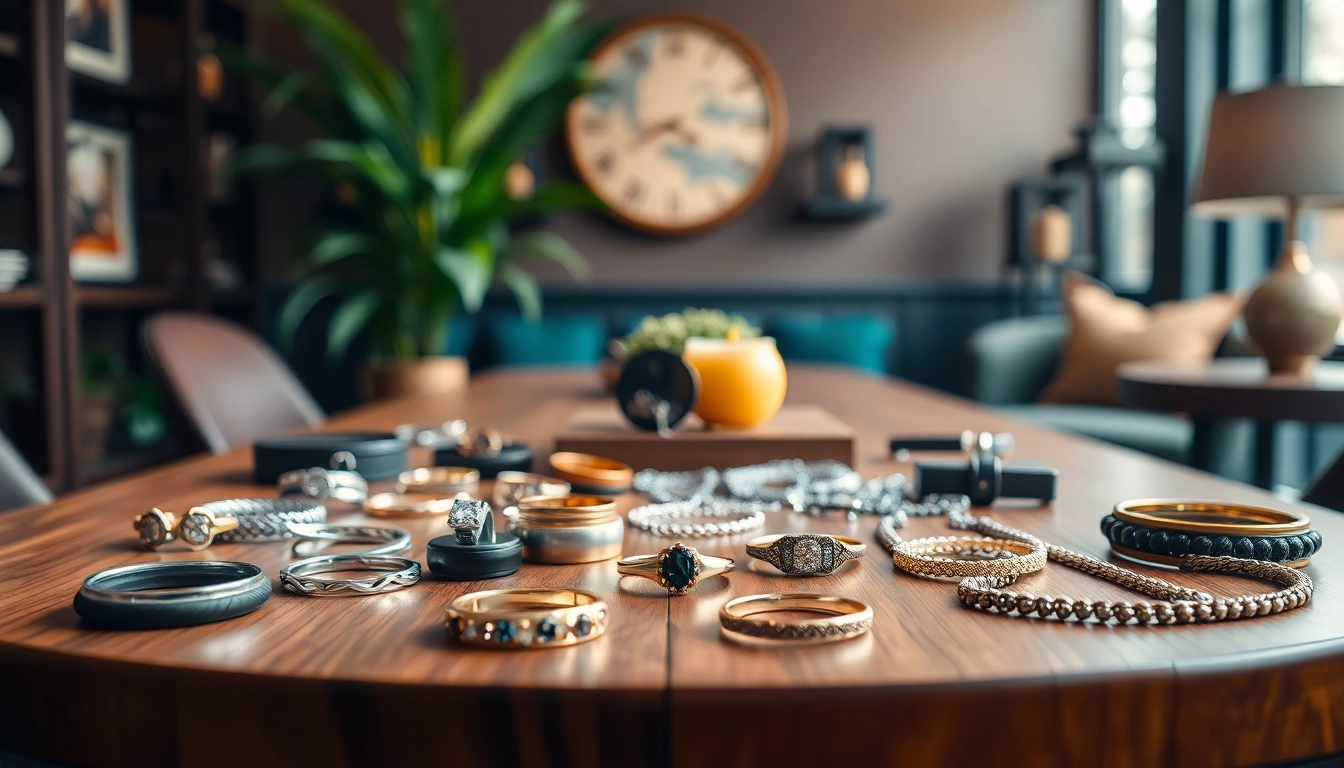
In recent years, there has been a notable shift in men’s jewelry trends, signaling the movement towards more expressive and personalized adornments. Contemporary styles feature a blend of classic and modern aesthetics. Popular pieces include minimalist necklaces, bold statement rings, and woven bracelets. The rise of layering has also allowed men to mix different materials and textures, creating unique combinations that echo their personal style. Men’s jewelry no longer adheres to strict conventions; it reflects personal stories and preferences, allowing wearers to showcase their values and tastes.
Importance of Personal Style
Personal style is paramount in the context of men’s jewelry. It serves as an expression of identity and can significantly affect how men perceive themselves. Choosing jewelry that resonates with one’s personality enhances confidence and can influence interactions. Understanding one’s style can lead to thoughtfully curated pieces that complement one’s wardrobe while speaking volumes about one’s character. Whether it’s through bohemian beads, sophisticated cufflinks, or rugged leather bands, men’s jewelry can reveal much about aspirations and interests.
Materials and Craftsmanship in Men’s Jewelry
Common Materials Used
Men’s jewelry is crafted from a variety of materials, each offering a distinct character. Commonly used materials include precious metals like gold, silver, and platinum, which are favored for their durability and luster. Stainless steel is also popular due to its resilience and affordability. Additionally, natural materials such as leather, wood, and gemstones have gained traction, appealing to those who favor organic aesthetics. The choice of materials plays a critical role in the overall style, durability, and meaning behind each piece.
The Role of Artisanship
The craftsmanship behind men’s jewelry profoundly impacts its quality and appeal. Skilled artisans bring creativity and precision to each piece, ensuring uniqueness and attention to detail. Handcrafted jewelry, in particular, has become a sought-after category as it embodies a story and a level of artistry that mass-produced items lack. Investing in artisanal pieces supports sustainable practices and local economies, providing wearers with jewelry that isn’t just a transaction but a treasure.
Choosing Quality Over Quantity
When selecting men’s jewelry, prioritizing quality over quantity is essential. High-quality pieces not only last longer but also offer better craftsmanship and materials. Investing in fewer, well-made items can often lead to more satisfaction compared to amassing an array of cheaper accessories. Furthermore, quality pieces tend to retain their value better, making them wiser investments in the long term. Encouraging a discerning approach to jewelry shopping can foster an appreciation for timeless elegance, moving away from fleeting trends.
How to Choose the Right Men’s Jewelry
Considering Personal Style and Occasion
Choosing the right men’s jewelry involves understanding personal style and the events for which the pieces are intended. Casual occasions may call for simpler, unassuming pieces, while formal events could benefit from more sophisticated selections, such as tie clips or subtle brooches. Assessing the outfit and occasion helps to select pieces that enhance rather than overpower. Establishing a coherent style framework can lead to choices that feel authentic and harmonious.
Matching Jewelry with Outfits
Effective matching of jewelry with outfits heightens overall appearance. For instance, silver jewelry typically complements cool-toned outfits, while warm-toned metals like gold suit warmer palettes. Textures also play a role; sleek pieces often coordinate well with formal wear, while rugged styles may align with casual attire. Layering necklaces and bracelets requires balancing proportions to avoid overwhelming the look while underlining personal flair. By understanding color theory and styling principles, men can create well-thought-out, stylish ensembles.
Balancing Boldness and Subtlety
Finding the right balance between bold and subtle expressions in men’s jewelry is crucial for achieving a refined look. Some occasions call for statement pieces that draw attention, such as oversized rings or intricate bracelets, while others may benefit from the elegance of understated accessories. Understanding where to make daring choices and where to maintain simplicity is essential for showcasing personal style without compromising sophistication. Experimentation with various combinations can help individuals determine their comfort zones and preferences.
Care and Maintenance Tips for Men’s Jewelry
Daily Cleaning Tips
Regular cleaning of jewelry is essential to maintain its beauty and longevity. For daily wear, a soft cloth can effectively remove dirt and oils that accumulate. Water and mild soap work wonders for most metals and can safely clean gemstones. It’s important to avoid harsh chemicals and ultrasonic cleaners, which can damage delicate pieces. Establishing a cleaning routine ensures that jewelry remains lustrous and continues to make a lasting impression.
Storage Solutions
Proper storage of men’s jewelry helps prevent damage and tangled pieces. Using dedicated compartments in jewelry boxes is ideal for keeping items organized and accessible. Alternatively, soft pouches can protect delicate items from scratches. For necklaces and chains, hanging them can avoid knotted lengths, and for bracelets and watches, displaying them on stands can keep them in top shape. Implementing thoughtful storage solutions allows for better care of prized possessions.
When to Seek Professional Help
Knowing when to seek professional services for jewelry can save valuable pieces from damage. If a piece becomes damaged or shows signs of wear, such as loose stones or tarnishing, it’s wise to consult a professional jeweler for repair or restoration. Regular check-ups for watches, especially mechanical ones, can ensure accuracy and longevity. Investing in professional maintenance for cherished items can safeguard their value and integrity, ensuring they are always display-worthy.
FAQs about Men’s Jewelry
What are the most popular types of men’s jewelry?
The most popular types of men’s jewelry include bracelets, rings, necklaces, watches, and cufflinks. Each type offers various styles, allowing for personal expression.
Can men wear gold jewelry?
Absolutely! Gold jewelry is versatile and can enhance any outfit. Men can choose from yellow, white, or rose gold based on their style preferences.
How to choose jewelry for special occasions?
Consider the dress code and the overall aesthetics of your outfit. Opt for pieces that elevate your style but remain comfortable and appropriate for the event.
What is the best way to clean men’s jewelry?
The best way to clean men’s jewelry is by using mild soap and water with a soft cloth. This prevents damage and retains the jewelry’s shine.
Are there any specific trends for men’s jewelry this year?
This year, trends include minimalist designs, personalized pieces, and mixed-material jewelry, allowing for greater individual expression and style.