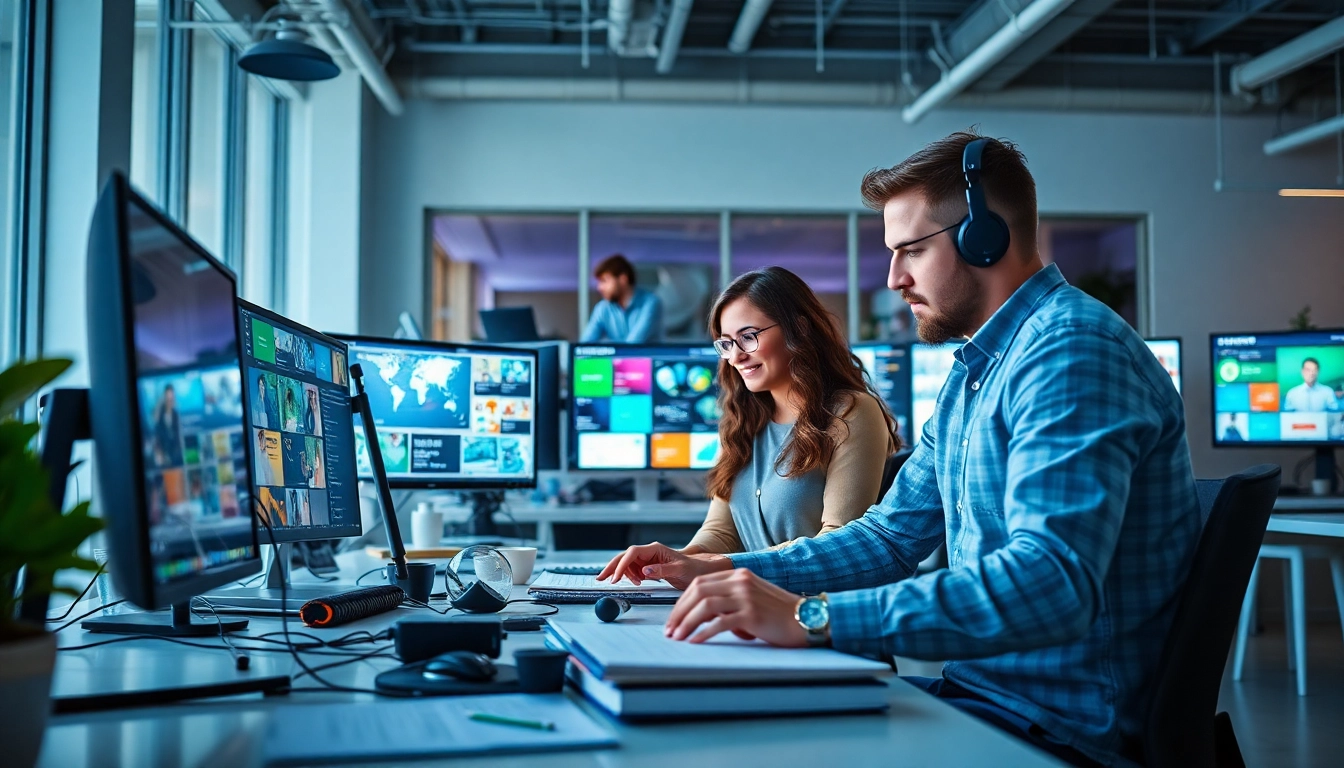
Understanding Collaborative Design
What is Collaborative Design?
Collaborative design is an approach that emphasizes teamwork and collective input in the design process. It transcends traditional, solitary design methods by involving diverse stakeholders—from designers to clients, and even end-users. This method fosters an environment where ideas can be shared freely, leading to more innovative solutions. In contrast to conventional design practices, where one or two individuals hold the reins, collaborative design harnesses the creativity and insights of multiple participants, each bringing unique perspectives to the table. For comprehensive insights into top design practices, you can explore https://bestdesignersintheworld.com/ and discover how collaboration can enhance your projects.
Benefits of Collaborative Design
The advantages of collaborative design are manifold. First and foremost, it cultivates a rich pool of ideas that leads to more creative outcomes. By pooling resources and perspectives, teams can tackle design challenges more effectively, identifying potential pitfalls early and refining solutions through feedback.
Furthermore, collaborative design promotes stakeholder buy-in. When participants feel involved in the process, they are more likely to support the final product, improving acceptance rates and ensuring alignment with user needs. Additionally, it encourages the sharing of skills and knowledge, allowing less experienced members to learn from their more seasoned counterparts. Overall, collaborative design not only enhances creativity and engagement but also improves the overall quality and relevance of the design outcome.
Key Principles of Effective Collaboration
To reap the maximum benefits of collaborative design, certain principles should be adhered to:
- Open Communication: Clear, honest dialogue is fundamental for collaboration to thrive. This includes regular updates and discussions that encourage feedback.
- Mutual Respect: Acknowledging and valuing each participant’s input fosters a positive atmosphere. Diverse perspectives should be appreciated, regardless of hierarchy.
- Defined Roles: Establishing clear roles within the team helps prevent confusion and overlap, enabling smoother interactions.
- Flexibility: The design process is often unpredictable. Teams must be adaptable and open to change, incorporating fresh ideas as they arise.
- Shared Goals: Aligning on objectives is critical to ensure all members are working towards the same vision, reinforcing unity.
Tools and Technologies for Collaboration
Essential Design Software
Modern design practices leverage powerful software tools that facilitate collaboration. Programs such as Adobe Creative Cloud, Sketch, and Figma stand out as industry standards. These platforms not only provide designers with the necessary design utilities but also come equipped with collaboration features. For instance, Figma allows multiple users to work on a design in real-time, enabling instantaneous feedback and modifications. Such tools save time and streamline communication among design teams, enhancing overall productivity.
Online Collaboration Platforms
In addition to design software, online collaboration platforms like Slack, Trello, and Asana play critical roles in managing workflow and communication. These platforms provide teams with functionalities for tracking progress, assigning tasks, and sharing files, creating a centralized hub for all design-related activities. By fostering transparency and accountability, these tools allow teams to navigate complex projects with ease, helping to mitigate misunderstandings and keep everyone informed about project milestones.
Integrating Cloud Solutions
Cloud solutions further enhance collaborative design by allowing teams to store and access their work from anywhere. Services such as Google Drive and Dropbox offer secure storage for files, enabling seamless sharing and collaboration across different locations. By centralizing design assets in the cloud, teams can ensure that everyone always has access to the latest versions of their work, significantly reducing the risk of errors and unnecessary revision cycles.
Creating Effective Team Dynamics
Building a Collaborative Culture
Establishing a collaborative culture is crucial for the success of any design team. This culture should be characterized by a supportive environment that encourages risk-taking and celebrates creativity. Leaders play a vital role in modeling collaborative behavior and promoting a team-oriented mindset that prioritizes collective success over individual achievement. Training sessions focused on teamwork and collaboration can empower team members to engage more willingly, fostering a sense of camaraderie that can enhance overall performance.
Roles and Responsibilities in a Design Team
For collaborative design to work effectively, clear roles and responsibilities must be established. Each team member should understand their specific functions, whether they are a designer, project manager, or client liaison. This clarity not only helps streamline project workflows but also fosters accountability, as each member knows what is expected of them. Regular check-ins and status updates help reinforce these roles, ensuring everyone is aligned and remain focused throughout the design process.
Communication Strategies for Success
Effective communication is the backbone of successful collaboration. Teams should cultivate strategies that include regular meetings, progress updates, and feedback sessions. Utilizing visual aids or design prototypes during discussions can enhance understanding and help convey complex ideas more effectively. Moreover, fostering an environment where feedback is welcomed and appreciated encourages a culture of constructive criticism, vital for iterative design processes.
Real-Life Case Studies
Successful Collaborative Projects
Numerous organizations have successfully implemented collaborative design practices, leading to remarkable outcomes. One case saw a design team utilize Figma to create a responsive web interface, resulting in a 40% improvement in user engagement through optimized navigation and interactivity. The team’s success stemmed from involving users early in the design process, allowing them to gather insights and iterate based on real-world feedback.
Challenges Faced and Overcome
Despite the benefits, collaborative design is not without challenges. A common obstacle involves conflicts arising from differing opinions or design philosophies. In one instance, a team faced a significant hurdle when disagreements over design aesthetics stalled progress. However, through facilitated discussions and objective criteria evaluation, they were able to refocus their efforts on user-centric goals, ultimately leading to a cohesive final product. This experience highlights the importance of conflict resolution strategies and the value of unbiased moderation in collaborative settings.
Lessons Learned from Collaborative Design
From various collaborative design experiences, several lessons have emerged. Firstly, maintaining flexibility throughout the design process is paramount, as unexpected challenges are likely to arise. Additionally, fostering a safe environment for expression and creativity enhances team dynamics. Throughout these projects, transparency around feedback channels has been crucial in building trust among team members. Ultimately, the collective experiences reinforce that collaboration is an ongoing journey that requires commitment, adaptability, and a clear focus on shared objectives.
Future of Collaborative Design
Trends Shaping the Industry
The landscape of collaborative design is evolving continuously, shaped by emerging trends and technologies. Notably, the rise of virtual and augmented reality is allowing designers to immerse themselves in collaborative experiences that were previously unimaginable. These technologies enable teams to visualize concepts in 3D, providing an interactive platform for design discussions and feedback. Furthermore, the integration of artificial intelligence tools is offering insights into design patterns, further enhancing the collaborative potential among teams.
Adapting to Remote Work Environments
The shift towards remote work has fundamentally altered collaborative design practices. Teams now need to leverage digital tools to simulate in-person collaboration effectively. Asynchronous communication and collaborative platforms have become essential for maintaining productivity across different time zones. Effective strategies include setting clear expectations for communication and project updates, as well as utilizing video conferencing tools to foster connections among team members. The fluidity of remote work has also led to the exploration of flexible workspaces, allowing designers the option to collaborate from various locations.
Embracing Diversity in Design Teams
As the design industry continues to evolve, the importance of diversity in collaborative teams has gained significant recognition. Diverse teams bring varied perspectives, experiences, and methodologies, enhancing creativity and problem-solving capabilities in design processes. Companies are increasingly emphasizing the recruitment of teams that are representative of different backgrounds, experiences, and skill sets. Establishing inclusive practices and fostering an environment where diverse voices are valued can lead to more impactful and user-centric designs.
FAQs
What is collaborative design?
Collaborative design is a design process that involves multiple stakeholders working together, sharing insights and ideas, to achieve a common goal. It enhances creativity and ensures that diverse perspectives inform the final product.
What are the main benefits of collaborative design?
Collaborative design fosters creativity, improves stakeholder buy-in, enhances team learning, and leads to better quality outcomes by leveraging diverse perspectives and insights throughout the process.
What tools are essential for collaborative design?
Essential tools for collaborative design include design software like Adobe Creative Cloud and Figma, online platforms like Slack and Trello, and cloud storage solutions like Google Drive for easy sharing and access to files.
How can teams overcome challenges in collaborative design?
Teams can overcome challenges by establishing clear roles, fostering open communication, practicing flexibility, and employing conflict resolution strategies to ensure smooth collaboration throughout the design process.
What is the future of collaborative design?
The future of collaborative design will be shaped by advancements in technology such as virtual reality, increased remote collaboration, and a strong emphasis on diversity within design teams, all aiming to enhance creativity and outcomes.