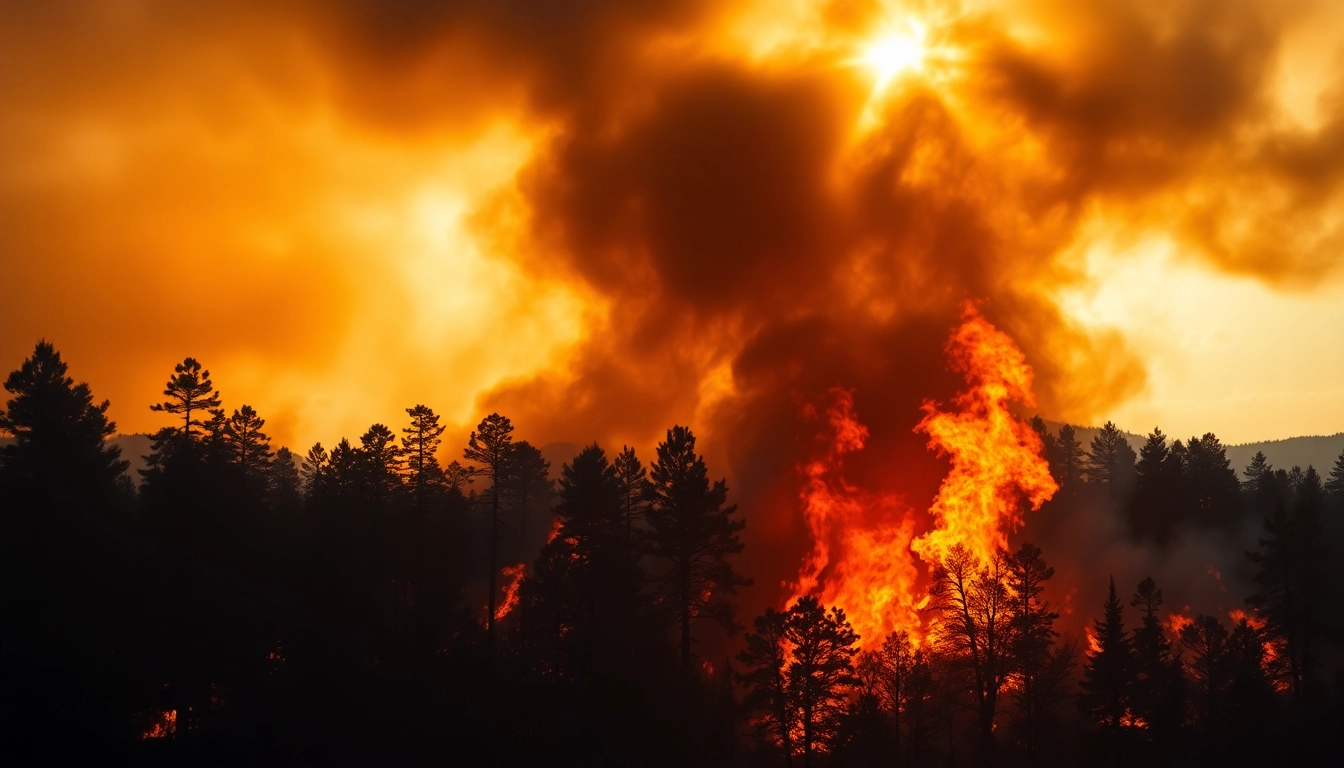
Introduction to Wildfire Events
Wildfires are a natural phenomenon that have been part of ecosystems for millions of years. However, their increasing frequency and intensity in recent times have raised concerns among environmentalists and communities. Understanding the multifaceted aspects of Wildfire events is crucial for developing effective prevention and mitigation strategies.
Definition of Wildfire Events
A wildfire, often referred to as a forest fire, bushfire, or grass fire, is an uncontrolled fire that spreads primarily within wildland vegetation. These fires can occur in various environments, including forests, grasslands, and scrubland. They are driven by factors such as drought, high temperatures, and wind, but can also be ignited by human activities or natural causes such as lightning.
Common Causes of Wildfire Events
The causes of wildfire events can be broadly classified into natural and human-induced factors. Natural causes include:
- Lightning Strikes: One of the most common natural ignition sources.
- Drought Conditions: Extended periods of low rainfall can dry out vegetation, making it more susceptible to catching fire.
- Volcanic Eruptions: Though rare, these can ignite large wildfires.
Human-induced factors often include:
- Campfires: Inadequately extinguished campfires can easily lead to wildfires.
- Arson: Intentional acts to start fires pose significant risks to communities and wildlife.
- Equipment Use: Sparks from machinery or vehicles can also ignite fires.
The Role of Climate Change in Wildfire Events
Climate change has significant implications for the frequency and intensity of wildfires. Rising temperatures contribute to prolonged drought conditions and increased evaporation rates, leading to drier landscapes. According to studies, areas prone to wildfires are experiencing hotter and drier climates, subsequently increasing the chances of wildfire events. Additionally, climate change is altering weather patterns, which can lead to more severe storms and wind conditions that exacerbate wildfires.
Effects of Wildfire Events
Environmental Impact of Wildfire Events
Wildfires can have both immediate and long-term effects on the environment. Positively, they can promote new growth and maintain ecosystem health by clearing dead and dying vegetation. However, the negative impacts often outweigh these benefits:
- Loss of Wildlife Habitat: Many species lose their homes, leading to decreased biodiversity.
- Soil Degradation: Fires can lead to erosion, loss of soil nutrients, and changes in local flora.
- Air and Water Pollution: Smoke released during wildfires can contaminate air quality and water supplies.
Health Risks Associated with Wildfire Events
The health risks posed by wildfires are substantial and include both direct and indirect effects. Directly, individuals exposed to wildfire smoke may experience respiratory problems, eye irritation, and skin issues. Long-term exposure can lead to chronic health conditions such as asthma and cardiovascular diseases. Additionally, wildfires can disrupt community health services and lead to mental health challenges due to dislocation and trauma associated with evacuations and losses.
Economic Consequences of Wildfire Events
The economic ramifications of wildfire events can be severe, impacting communities, businesses, and local economies:
- Property Damage: Homes and infrastructure can be destroyed, leading to costly rebuilds and insurance claims.
- Job Losses: Sectors dependent on tourism or agriculture may suffer significant economic downturns.
- Emergency Response Costs: Significant financial resources are required for firefighting efforts and recovery operations.
Preventing Wildfire Events
Best Practices for Wildfire Prevention
Preventing wildfires is essential for protecting communities and ecosystems. Here are some best practices:
- Creating Firebreaks: Clearing vegetation around properties can create barriers to slow or stop fire spread.
- Proper Disposal of Cigarettes: Ensuring that smoking materials are fully extinguished can prevent accidental ignitions.
- Public Education: Educating communities about fire safety can foster responsible behavior during dry seasons.
Community Engagement in Wildfire Preparedness
Building resilience against wildfires requires community involvement. Engaging residents in preparedness initiatives is crucial. Communities can organize training sessions on fire safety, create emergency plans, and participate in fire prevention programs. Collaborative community efforts can foster a culture of preparedness and increase the community's overall resilience to wildfire events.
Technology and Innovation in Wildfire Prevention
Technological advancements play a key role in wildfire prevention. Innovations include:
- Satellite Surveillance: Utilization of satellite technology for real-time monitoring of fire-prone areas.
- Predictive Modeling: Software tools that analyze weather patterns and vegetation conditions to predict high wildfire risk.
- Drones: Unmanned aerial vehicles can scout hard-to-reach areas and help in firefighting efforts.
Responding to Wildfire Events
Emergency Response Strategies
Effective emergency response is crucial to mitigating the impacts of wildfires. Strategies include:
- Rapid Response Teams: Deploying trained wildfire suppression teams ensures swift action during outbreaks.
- Resource Coordination: Efficiently coordinating resources among federal, state, and local agencies enhances the response.
- Public Information Systems: Keeping the public informed through alerts helps guide evacuations and safety measures.
Evacuation Plans and Community Safety
Having a well-defined evacuation plan increases the likelihood of safe and timely relocations during wildfire events. Communities should develop and regularly update evacuation routes, establish emergency shelters, and conduct drills to familiarize residents with the procedures. Community safety is paramount, and preparedness can save lives.
The Role of Firefighters and Agencies
Firefighters and related agencies play a key role in managing wildfire events. Their responsibilities include:
- Direct Suppression: Engaging directly in controlling and extinguishing wildfires.
- Community Education: Informing the public about wildfire risks and safety measures.
- Resource Management: Collaborating with various sectors to manage forest health and reduce fuel loads.
Future Outlook on Wildfire Events
Research and Trends in Wildfire Management
Ongoing research into wildfire management continues to evolve. Emerging trends include a shift towards understanding fire's ecological role, the implementation of controlled burns to reduce fuel loads, and the integration of local knowledge into management practices. Additionally, climate resilience planning is becoming increasingly crucial to address changing fire dynamics.
Building Resilience Against Wildfire Events
Communities must prioritize resilience against wildfires through comprehensive planning, education, and infrastructure development. Strategies such as investing in fire-resistant building materials, establishing green corridors, and enhancing emergency services can substantially increase community resilience to wildfire events.
Global Perspectives on Wildfire Events
Wildfire events are a global concern, with some regions experiencing more severe patterns than others. For instance, Australia and the western United States are particularly vulnerable due to their climates and vegetation types. Learning from international experiences and adopting successful strategies from diverse contexts can enhance global wildfire management efforts.
Frequently Asked Questions (FAQs)
What causes a wildfire event?
A wildfire can be ignited by natural causes like lightning or human activities such as negligent campfires or arson.
How do wildfires affect the environment?
Wildfires can lead to habitat destruction, soil degradation, and air pollution, impacting ecosystems and human health.
What can I do to prevent wildfires?
You can prevent wildfires by properly extinguishing campfires, reducing debris, and being mindful of fire safety during dry seasons.
How should I prepare for a wildfire?
Prepare by creating an evacuation plan, identifying safe zones, and ensuring emergency supplies are ready.
What role do firefighters play in wildfires?
Firefighters engage in controlling, extinguishing, and preventing wildfires while educating communities about safety.