Understanding Double Girder Bridge Cranes
In the realm of material handling, the double girder bridge crane stands out as a robust solution for lifting heavy loads efficiently. These cranes utilize two horizontal beams or girders to support the lifting mechanisms, which are designed to optimize stability and load capacity. Ideal for large-scale operations, double girder cranes offer significant advantages over their single girder counterparts, making them a preferred choice in various industries.
Definition and Purpose of Double Girder Bridge Cranes
A double girder bridge crane is an overhead crane that features two parallel girders which extend across the width of the workspace. This design facilitates greater lifting capabilities compared to single girder cranes, enabling them to handle more substantial loads and larger span distances. The primary purpose of these cranes is to transport heavy items safely and efficiently across a defined area, such as a manufacturing floor, warehouse, or construction site.
Comparison: Double Girder vs. Single Girder Cranes
When comparing double girder cranes to single girder cranes, the differences become apparent in terms of design, capacity, and application:
- Capacity: Double girder cranes are typically rated for higher capacities, often exceeding 10 tons, making them suitable for heavy lifting tasks.
- Span: With greater spans, double girder cranes can cover larger areas without the need for additional support structures.
- Stability: The triangular configuration of double girders provides superior stability, reducing sway and improving safety during operations.
- Headroom: Since the hoist travels between the girders, double girder cranes can utilize vertical space more effectively, which is essential in facilities with height constraints.
Key Features and Benefits of Double Girder Cranes
Double girder cranes come equipped with several features that enhance their usability and performance:
- Increased Load Capacity: Ideal for handling heavier loads, making them suitable for industries such as steel production and heavy equipment manufacturing.
- Adaptability: They can be customized to meet specific operational needs, including specialized hoists, trolleys, and controls.
- Improved Efficiency: With faster operation speeds and precision controls, double girder cranes can significantly reduce cycle times in lifting and transporting materials.
- Durability: Designed for long-term use, these cranes are built with robust materials that withstand the rigors of daily operations.
Applications and Industries Utilizing Double Girder Cranes
Double girder bridge cranes have a wide array of applications across different sectors. Here’s a closer look at where they are most commonly used:
Common Industries: Manufacturing and Construction
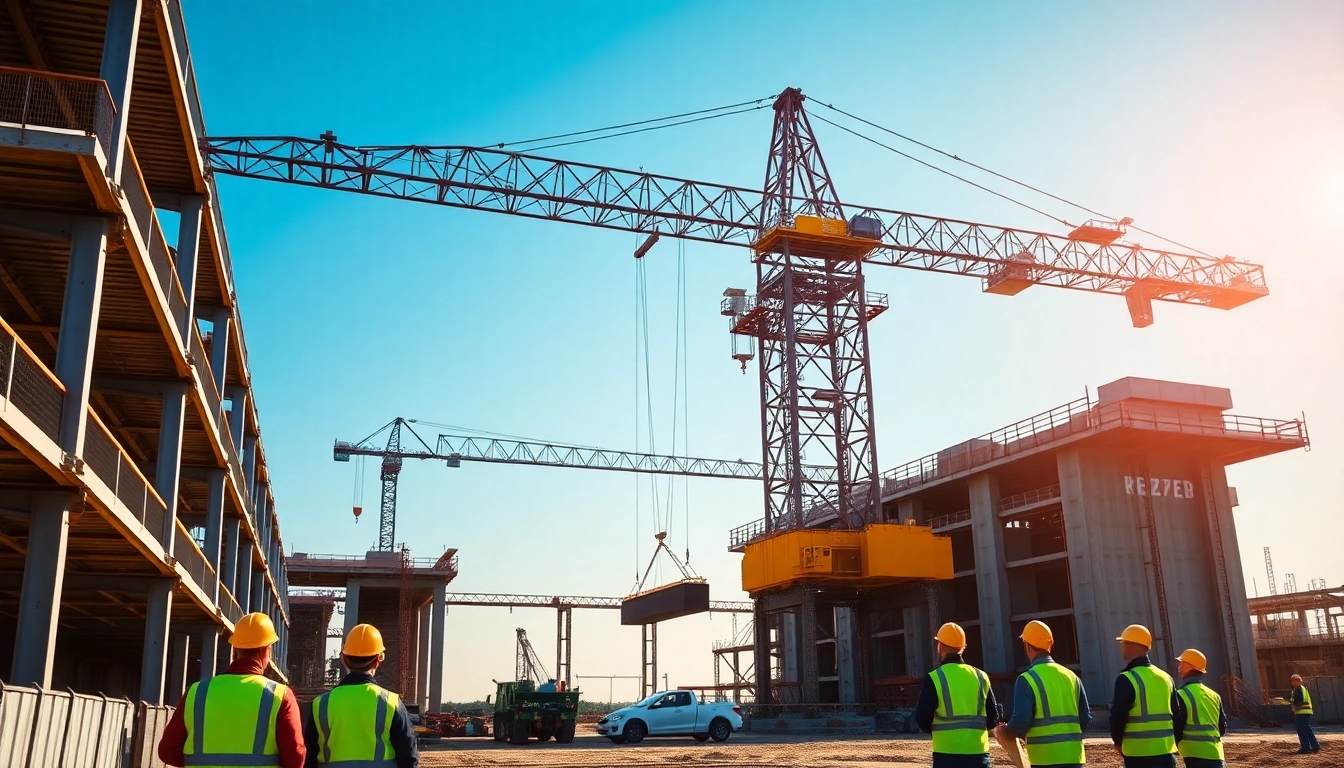
In manufacturing settings, double girder cranes excel in heavy lifting tasks, often found in automotive assembly plants, metal fabrication shops, and shipyards. Their ability to handle substantial loads with precision makes them indispensable for moving heavy machinery and components. In the construction industry, these cranes are essential for lifting steel beams, precast concrete sections, and heavy construction materials.
Case Study: Successful Implementation in Heavy Manufacturing
A prominent automobile manufacturer recently upgraded its material handling system by integrating double girder cranes into its production line. This transition not only increased the load capacity by 50% but also enhanced operational efficiency, allowing for faster assembly line processes and reduced downtime. The result was a notable improvement in production rates, underscoring the effectiveness of double girder cranes in high-demand manufacturing environments.
Future Applications: Emerging Industries for 2025
As industries evolve, the application of double girder cranes is expected to expand into new sectors, including:
- Energy Sector: With the rise of renewable energy projects, double girder cranes will be pivotal in handling large components for wind turbines and solar installations.
- Aerospace: The need for precision and heavy lifting in aerospace manufacturing will see increased reliance on double girder cranes for assembling aircraft parts.
- Advanced Manufacturing: As automation technologies become more prevalent, double girder cranes equipped with smart technologies will play a vital role in automated handling systems.
Choosing the Right Double Girder Bridge Crane
Selecting the most suitable double girder crane requires careful consideration of several factors to ensure optimal performance. Here are some important aspects to keep in mind:
Factors to Consider: Capacity and Span Requirements
When evaluating a double girder bridge crane, capacity and span are critical factors:
- Load Capacity: Determine the maximum weight that the crane will need to lift, considering both operational peaks and routine loads.
- Span Length: Assess the width of the area where the crane will operate to ensure the chosen crane can adequately cover this span.
Customization Options for Specific Applications
Double girder cranes can be tailored to fit specific needs. Customization options may include:
- Specialized Hoists: Selecting hoists that suit the types of materials being handled.
- Control Systems: Integrating advanced controls for precision operation, including remote control and automated systems.
- Safety Features: Including features such as load monitoring systems and emergency stop capabilities to enhance operational safety.
Understanding Pricing and Cost Considerations
The cost of a double girder crane varies based on several factors, including:
- Specifications: Custom features and specialized equipment can increase the overall cost.
- Installation: The complexity of installation can also affect pricing, with more intricate setups requiring higher labor costs.
- Maintenance: Investing in regular maintenance can help prevent costly repairs and extend the lifespan of the crane.
Best Practices for Operating Double Girder Cranes
To ensure safe and efficient operation of double girder cranes, adherence to established best practices is crucial:
Safety Protocols and Regulations to Follow
Operators must comply with safety standards established by organizations such as OSHA and ANSI. This includes regular inspections, proper load handling techniques, and ensuring all safety devices are functional.
Maintenance Tips for Longevity and Performance
Implementing a proactive maintenance schedule can significantly enhance the performance and lifespan of double girder cranes. Key maintenance practices include:
- Regular Inspections: Check for wear and tear on components, ensuring everything operates smoothly.
- Lubrication: Keeping moving parts properly lubricated to reduce friction and wear.
- Load Testing: Conduct periodic load tests to verify the crane’s operational capacity.
Training for Operators: Ensuring Skill and Safety
Investing in comprehensive training programs for crane operators can greatly reduce the risk of accidents. Training should cover:
- Safe Operating Procedures: Understanding the correct use of controls and safety features.
- Emergency Response: Preparing operators to respond effectively to unforeseen situations.
Future Trends in Double Girder Bridge Crane Technology
As technology continues to advance, several trends are shaping the future of double girder bridge cranes:
Innovations for Enhanced Efficiency and Safety
Emerging technologies such as IoT (Internet of Things) sensors are being integrated into double girder cranes, allowing for real-time monitoring of crane performance. This can lead to predictive maintenance and increased operational safety.
Impact of Automation and Smart Technologies
The rise of automation in material handling is transforming how double girder cranes are operated. Automated cranes equipped with AI algorithms can optimize load handling and improve efficiency by adjusting operations based on real-time data analysis.
Preparing for Changes in Industry Standards by 2025
By 2025, industry standards are expected to emphasize enhanced safety protocols and environmentally friendly practices. Manufacturers and operators will need to stay informed on new regulations and adapt their systems accordingly to meet these evolving requirements.