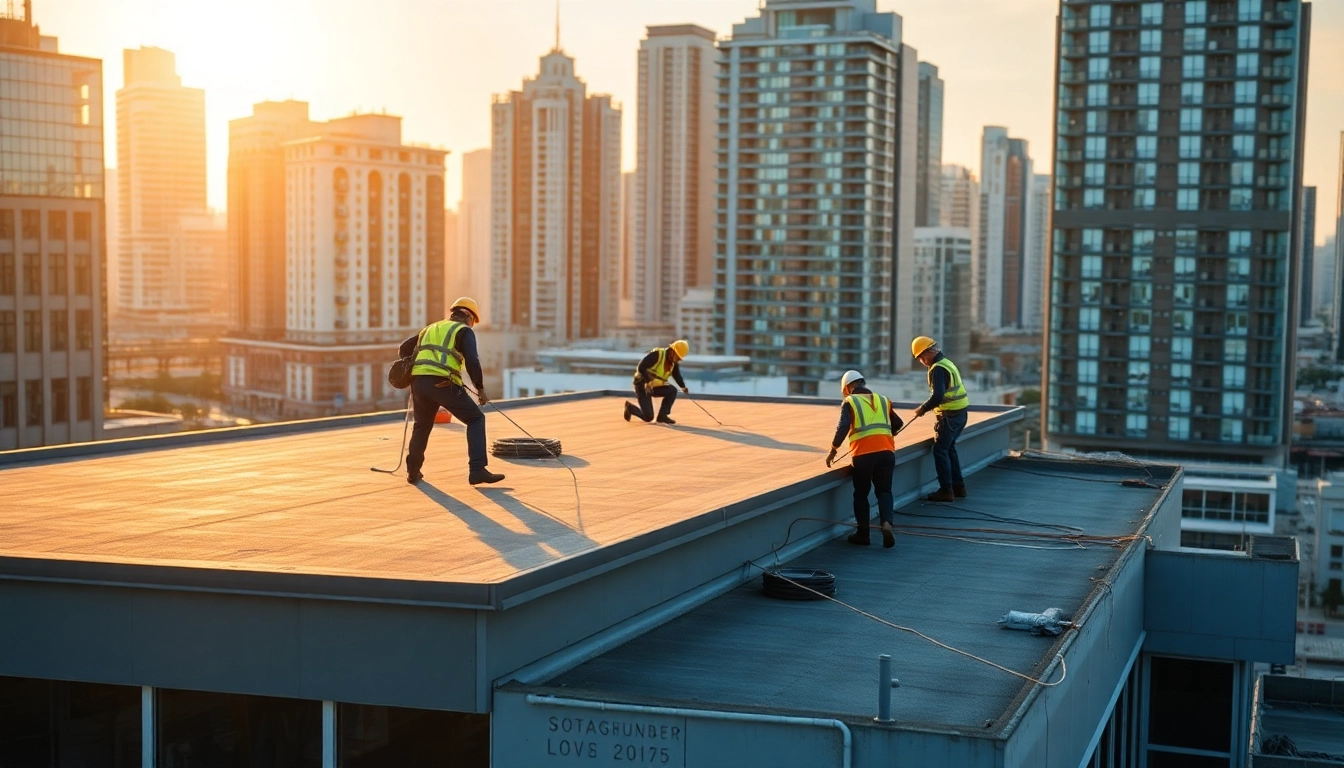
Understanding Commercial Roofing Services
What are Commercial Roofing Services?
Commercial roofing services encompass a wide range of solutions specifically designed for the roofs of industrial, institutional, and commercial buildings. Unlike residential roofing, which primarily focuses on homes, commercial roofing takes into account the complexities of larger structures, materials, environmental stressors, and varying regulatory requirements. These services involve not only new roof installations but also repairs, maintenance, and replacements tailored to meet the unique demands of businesses.
Businesses often seek commercial roofing services to ensure their rooftops are durable, energy-efficient, and capable of withstanding severe weather. The decisions made in this domain can have lasting impacts on operational efficiency, aesthetics, and the lifespan of a building's structure.
Types of Commercial Roofing Materials
Since commercial roofs are subject to different pressure levels and environmental impacts than residential roofs, they require specific materials. Below are some of the most commonly used materials:
- EPDM (Ethylene Propylene Diene Monomer): A synthetic rubber material that is cost-effective and provides excellent durability against weather conditions.
- TPO (Thermoplastic Olefin): Known for its energy efficiency due to its reflective properties, TPO is a popular roofing option for flat roofs.
- Modified Bitumen: This material combines asphalt with modifiers to enhance its performance, making it suitable for various climates.
- Built-Up Roofing (BUR): Consisting of multiple layers, BUR is ideal for flat roofs and offers excellent waterproofing.
- Metal Roofing: Recognized for its durability and longevity, metal is suitable for various commercial structures and aesthetics.
- Slate and Tile: While more expensive, these materials offer aesthetic appeal and longevity, requiring skilled installation.
Benefits of Professional Installation
Opting for professional installation of commercial roofing services ensures quality, safety, and longevity. Here are some key benefits:
- Expertise: Professional contractors possess the training and experience to handle complex roofing tasks, ensuring the job is done correctly the first time.
- Warranty Protection: Professional installations often come with warranties that can help protect your investment against future problems.
- Compliance with Regulations: Commercial roofs must meet specific codes and regulations, and experts know how to navigate these complexities.
- Safety: Roofing can be a hazardous job; professionals have the proper equipment and training to handle potential dangers effectively.
- Long-Term Cost Savings: Investing in quality installation can prevent expensive repairs down the line, ultimately saving businesses money.
Key Considerations for Commercial Roofing Services
Assessing Your Roofing Needs
Before choosing a roofing solution, businesses must conduct a thorough assessment of their unique requirements. Factors impacting this decision include:
- Building Type: The architecture influences the type of roof that can be installed.
- Climate: Local weather patterns dictate the durability and type of materials required.
- Usage: Different roofs are required depending on whether the building is used for retail, storage, or as office space.
A comprehensive inspection by a professional can help identify the specific needs and challenges of a commercial roof, facilitating a more informed decision-making process.
Budgeting for Commercial Roofing Projects
Budgeting for a commercial roofing project involves more than just the initial installation cost. Here are several essential elements to consider in the budgeting process:
- Material Costs: Different materials carry various price tags, often reflecting their durability and aesthetic value.
- Labor Fees: Professional labor costs can vary significantly based on location and contractor experience.
- Maintenance: Anticipate long-term maintenance costs to keep the roof in optimal condition.
- Insurance: Incorporate potential increases in insurance premiums due to roof installation or upgrades.
- Regulatory Costs: It's necessary to consider permits and any compliance costs associated with local building codes.
Choosing the Right Contractor
Selecting a contractor can impact the success and longevity of a roofing project. Here are important factors to consider:
- Reputation: Check online reviews and ask for references to gauge a contractor's reputation within the community.
- Experience: Look for contractors with a proven track record in commercial roofing specifically.
- Licensing and Insurance: Verify that the contractor carries appropriate licensing and insurance to protect against liabilities.
- Detailed Quotes: A good contractor should provide a detailed estimate that breaks down costs in a transparent manner.
- Post-Installation Support: Inquire about aftercare services, such as warranties and maintenance programs.
Common Challenges in Commercial Roofing Services
Identifying Signs of Roof Damage
Recognizing early signs of roof damage can prevent larger issues down the road. Key indicators include:
- Leaks: Water leaks inside the building are a primary sign of roof damage.
- Manufacturer Defects: Problems related to manufacturing can lead to premature failure of roofing materials.
- Visible Wear: Cracks, blisters, and missing shingles or tiles may indicate deteriorating integrity.
- Drainage Issues: Poor water drainage can lead to standing water, which can further damage roofing materials.
Routine inspections are critical to catching these warning signs early and maintaining the roof’s integrity.
Managing Weather Impact on Roofing Projects
Weather can significantly affect the timing and quality of commercial roofing projects. Strategies to manage this impact include:
- Seasonal Planning: Scheduling roofing work during favorable weather conditions minimizes delays.
- Contingency Planning: Construction contracts should include contingencies for weather-related disruptions.
- Quality Materials: Use materials designed to withstand local climate challenges to reduce long-term maintenance.
- Real-time Monitoring: Utilize weather technology to stay informed about upcoming conditions that may affect a project.
Addressing Safety Regulations and Compliance
Commercial roofing projects must comply with safety regulations set by local and national authorities. Essential steps include:
- Understanding Regulations: Familiarize yourself with roofing codes and regulations applicable to your locality.
- Employee Training: Ensure that all workers are trained in safety protocols specific to roofing.
- Consistent Inspections: Regularly conducting safety inspections during the project helps mitigate risks.
- Emergency Protocols: Have established emergency plans in place to handle accidents or critical incidents on site.
Maintenance and Care for Commercial Roofing Services
Routine Inspections and Upkeep
To preserve the long-term functionality of a commercial roof, routine inspections and maintenance are crucial. Best practices include:
- Frequency: Schedule inspections at least twice a year, with additional checks after severe weather.
- Document Findings: Keep a detailed log of maintenance, repairs, and inspections to track your roof's condition over time.
- Professional Audits: Engage professional services for comprehensive roof audits, especially for aging tops.
Repair vs. Replacement Decisions
Deciding whether to repair or replace a roof can be complex. Consider these factors:
- Extent of Damage: Assess the damage level; minor issues may warrant a repair, while widespread wear could call for a replacement.
- Roof Age: Older roofs nearing their lifespan may be more cost-effective to replace than to continuously repair.
- Material Integrity: Evaluate the quality of existing materials against current standards and technologies.
- Budget Constraints: Cost considerations must weigh into the decision between repairs or full replacement.
Long-term Warranty Options
Installing a new commercial roof often includes the option of warranties, which provide essential protection for your investment:
- Types of Warranties: Understand the difference between material warranties and contractor workmanship warranties.
- Transferability: Consider whether warranties are transferable if the property changes ownership.
- Coverage Details: Be clear about what is covered, including workmanship, materials, and even specific types of damage.
- Duration: Evaluate warranty duration, as longer warranties can indicate higher quality material with better factors and installation techniques.
Future Trends in Commercial Roofing Services
Eco-friendly Roofing Solutions
The push for sustainability has driven the development of eco-friendly roofing solutions. Key initiatives include:
- Green Roofs: These systems involve planting vegetation on rooftops, which can reduce urban heat islands and improve insulation.
- Reflective Roofing Materials: Cool roofs utilize reflective materials to reduce energy consumption by lowering cooling expenses during warmer months.
- Sustainable Practices: Emphasizing sustainable materials, recycling old roofs, and minimizing waste during installations aligns commercial roofing with corporate social responsibility.
Technological Advancements in Roofing
Advancements in technology transform commercial roofing services by improving efficiency and performance:
- Drones: Utilize drones for aerial inspections to efficiently survey larger projects without risking personnel's safety.
- 3D Imaging: Using 3D imaging for precise measurements and planning prevents common errors during installation.
- Roof Management Software: Leverage software solutions that help track maintenance schedules and costs to streamline operations.
Adapting to Climate Change Challenges
As climate change evolves, commercial roofing must adapt. Here are strategies to consider:
- Resilient Design: Embrace designs that enhance durability against severe weather events and natural disasters.
- Waterproofing Innovations: Invest in innovative waterproofing solutions that withstand larger amounts of rainfall.
- Material Upgrades: Regularly evaluate materials against current climate forecasts to ensure ongoing viability for future conditions.