- Understanding the Role of a New York City General Contractor
- Key Factors to Consider When Hiring a New York City General Contractor
- Best Practices for Collaborating with a New York City General Contractor
- Common Challenges Faced by New York City General Contractors
- Maximizing Value When Working with a New York City General Contractor
Understanding the Role of a New York City General Contractor
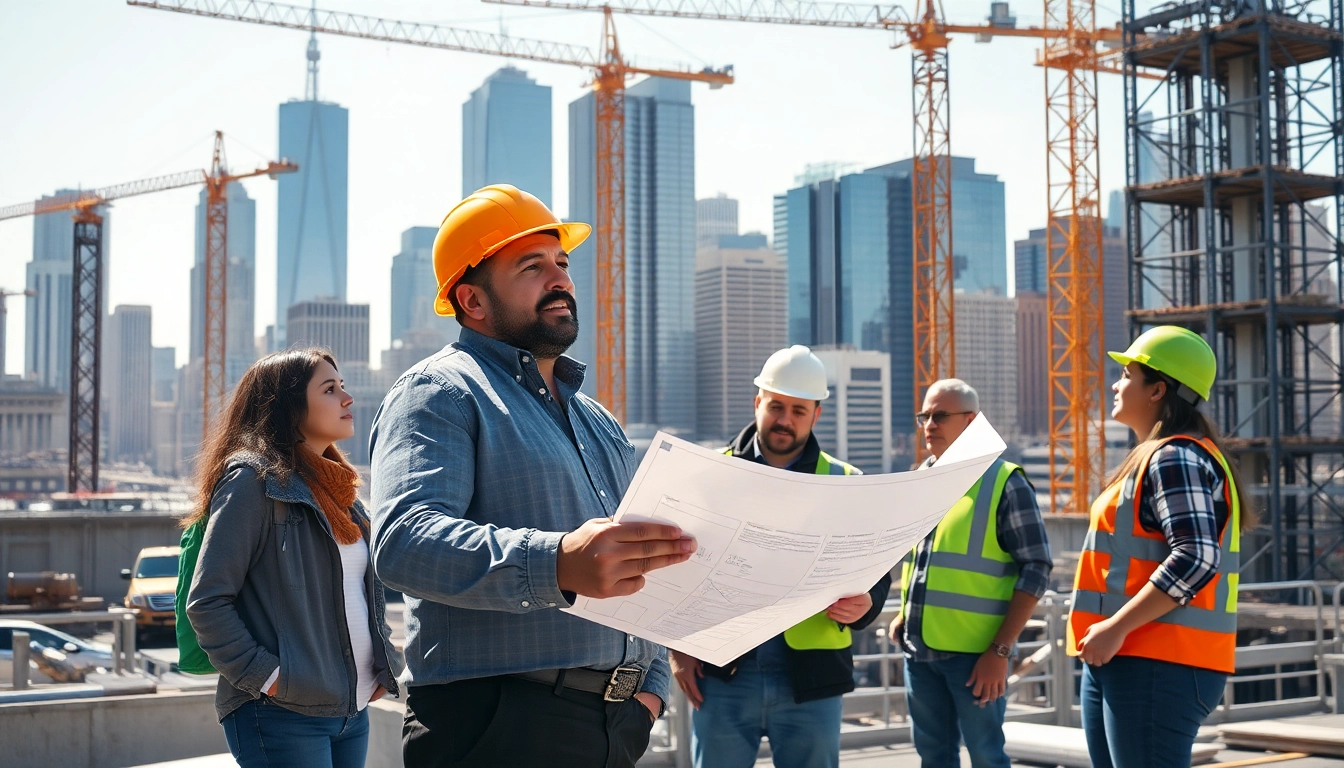
The construction landscape of New York City is as dynamic as the city itself. At the heart of any successful construction project lies the New York City General Contractor, a critical figure ensuring that all aspects of construction run smoothly. A general contractor is responsible for overseeing the construction process, coordinating all the moving parts, and being the main point of contact for clients. If you are considering a construction project in this bustling metropolis, understanding the role of a general contractor is essential. A skilled general contractor can not only help navigate the complexities of the construction environment but also ensure that projects are delivered on time and within budget. You can read more about the responsibilities of general contractors in NYC by exploring various resources, including the New York City General Contractor.
The Essential Responsibilities of a General Contractor
General contractors in New York City are responsible for a multitude of tasks that encompass the entire construction process. Their essential responsibilities include:
- Project Management: Overseeing the entire project from inception to completion, ensuring that timelines, budgets, and quality standards are met.
- Team Coordination: Collaborating with subcontractors, laborers, and other professionals involved in the project to ensure cohesiveness and efficiency.
- Procurement: Sourcing and obtaining necessary materials and equipment to keep the project moving forward without delays.
- Quality Assurance: Enforcing quality control measures to maintain high standards throughout the construction process.
- Regulatory Compliance: Ensuring that all work adheres to local, state, and federal regulations, including zoning codes and safety standards.
Licensing and Regulations in New York City
To operate legally as a general contractor in New York City, one must obtain the appropriate licenses and comply with various regulations. The city has a structured process for contractor registration, which includes:
- Minimum Age and Background Checks: Applicants must be at least 18 years old and pass a thorough background check.
- Documentation: Submission of required documents, including proof of experience and financial stability.
- Insurance: Obtaining liability and workers’ compensation insurance to protect clients and employees during the construction process.
It is important for clients to verify that their contractor holds the necessary licenses, as this not only ensures compliance but also validates the contractor’s credibility and expertise.
The Importance of Communication in Construction
Effective communication is crucial in construction projects. A New York City general contractor must foster open lines of communication with all stakeholders, including clients, subcontractors, and suppliers. Regular updates, feedback, and discussions about project adjustments are essential to address issues proactively and keep the project on track.
Furthermore, utilizing communication platforms and project management tools can greatly enhance coordination and transparency, leading to a more productive work environment.
Key Factors to Consider When Hiring a New York City General Contractor
Choosing the right general contractor can significantly impact the success of your project. Here are key factors to consider:
Assessing Experience and Reputation in the Industry
Experience plays a vital role in a general contractor’s capability to handle various project types. Look for contractors who have a proven track record in managing projects similar to yours. This includes not only their years in the industry but also the quality of their past work, which can often be reviewed through:
- Client Testimonials
- Project Portfolios
- Awards and Recognitions
A reputable contractor should also be well-versed in the latest construction practices and trends. Engaging with professionals who are constantly updating and improving their skills will ensure that your project benefits from modern methodologies.
Evaluating Project Management Skills
A contractor’s project management skills are crucial for the timely and successful completion of a project. Discuss their approach to planning, organization, and their ability to manage budgets effectively. Strong project management includes:
- Risk Assessment
- Resource Allocation
- Time Management Strategies
During the vetting process, consider asking for details about how they have tackled challenges in past projects and what systems they have in place for monitoring progress and adapting to changes.
Understanding Pricing and Contractual Obligations
Transparency regarding pricing and contracts is essential for avoiding unpleasant surprises down the line. Typically, pricing structures can vary based on the project scope, complexity, and materials involved. Ensure you review estimates thoroughly and understand what is included.
Additionally, scrutinize the contract for clauses related to timelines, payment schedules, and warranties. It is crucial to clarify potential cost overruns and the process for addressing changes that may arise during construction.
Best Practices for Collaborating with a New York City General Contractor
Once you’ve hired a general contractor, collaboration becomes key to achieving your project goals. Adopting best practices can ensure a positive working relationship:
Establishing Clear Goals and Objectives
From the outset, establish clear and measurable goals for your project. Clarifying your expectations regarding design, functionality, budget, and timeline will help the contractor align their activities with your vision.
Having a mutual understanding of objectives minimizes misunderstandings and keeps everyone focused on the same end result.
Maintaining Regular Communication
Regular updates should be part of the project routine. Set up brief weekly meetings or status reports where progress is discussed, and challenges are addressed promptly. This dialogue strengthens the working relationship and fosters a collaborative environment.
Utilizing Technology to Enhance Collaboration
Incorporating technology tools—such as project management software or apps designed for construction—can significantly streamline communication and data sharing among all parties involved. These tools facilitate task tracking, real-time updates, and documentation exchange, contributing to more efficient project management.
Common Challenges Faced by New York City General Contractors
General contractors in New York City face unique challenges that can impact project execution. Understanding these challenges can prepare both contractors and clients for effective mitigation strategies.
Navigating Zoning and Building Codes
The complexities of New York City’s zoning laws and building codes can be daunting. General contractors must have thorough knowledge of local regulations to ensure compliance. Failing to navigate these legal requirements can lead to costly delays and penalties.
Having established relationships with city officials and inspection authorities can facilitate smoother interactions and expedient approvals.
Managing Client Expectations and Timelines
Clients often have specific expectations regarding the schedule and outcomes of construction projects. It is the general contractor’s responsibility to set realistic timelines and communicate any potential complications immediately. Establishing a clear timeline and discussing what factors may affect it—like weather or supply chain disruptions—helps in managing expectations effectively.
Addressing Unforeseen Issues during Construction
In any construction project, unforeseen issues—such as structural concerns or hidden costs—can arise. A skilled general contractor will have contingency plans in place to address these challenges should they occur. Regular risk assessment strategies during the project lifecycle can help identify potential problems early, allowing for proactive solutions.
Maximizing Value When Working with a New York City General Contractor
For clients looking to get the most out of their collaboration with a general contractor, focusing on maximizing value is crucial.
Investing in Quality Materials for Longevity
While budget constraints can sometimes tempt clients to opt for lower-quality materials, investing in quality supplies ultimately pays off in terms of durability and low-maintenance costs. Discuss with your contractor about the best materials for your project that balance quality and budget effectively.
Strategies for Cost-Effective Design
Engage your general contractor early in the design process for expert advice on cost-effective solutions. They can offer insights from past projects that emphasize design efficiencies without compromising aesthetics or functionality. By collaborating from the beginning, it is possible to prevent design changes later that can lead to costly alterations.
Evaluating Project Outcomes and Success Metrics
At the conclusion of the project, it is important to evaluate the outcomes against the initial goals set during planning. Review success metrics such as cost adherence, timeline fulfillment, and overall satisfaction with the results. This assessment not only provides insight into the project performance but also fosters learning for future collaborations.