
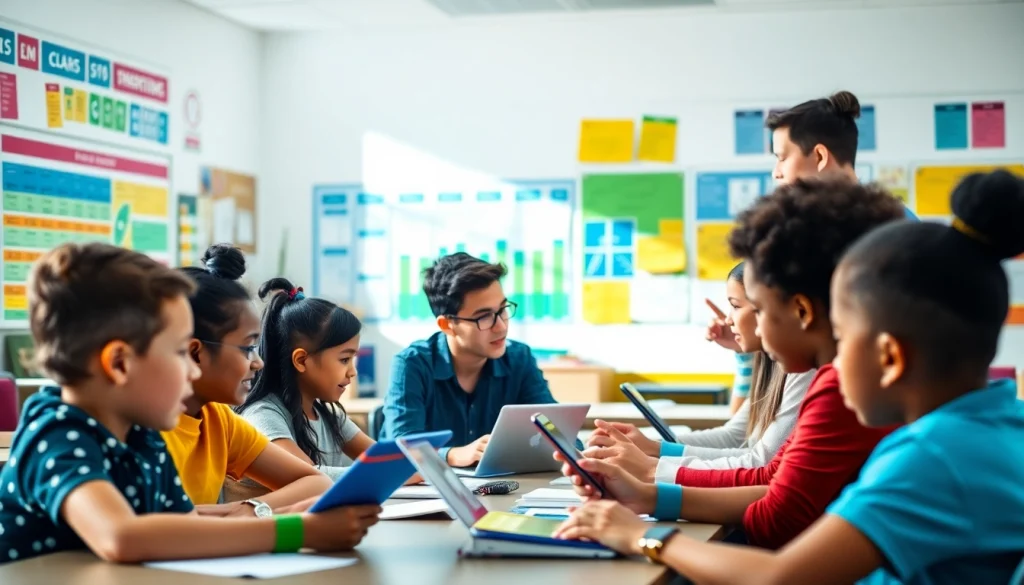
Understanding the Importance of Education
Education serves as a critical foundation for individual and societal growth. It transcends mere information transfer, shaping the cognitive abilities, social behaviors, and overall character of individuals. The focus on Education is paramount, as it plays a vital role in enabling personal development and fostering stronger communities.
The Role of Education in Personal Development
At its core, education nurtures personal development in various dimensions. First, it enhances cognitive skills, equipping individuals with the ability to think critically and solve complex problems. Through a structured curriculum, learners are exposed to diverse subjects that stimulate intellectual curiosity and foster analytical thinking.
Moreover, education instills essential life skills, such as time management, communication, and collaboration. These skills are not only critical for professional success but also promote effective interpersonal relationships. Educational settings, from primary schools to universities, serve as platforms for individuals to practice these skills in a community environment, ultimately preparing them for real-world challenges.
Beyond academics, education contributes to emotional and social development. School environments encourage self-expression and the development of values such as empathy and respect for diversity. These qualities are vital for fostering social cohesion and civic engagement in community life.
Community Impact of Quality Education
The influence of education extends well beyond individual benefits; it significantly impacts community development and cohesion. Communities with strong educational systems experience lower crime rates, increased economic opportunities, and enhanced social mobility. Quality education cultivates a knowledgeable citizenry capable of active participation in democratic processes.
Moreover, quality education addresses social inequalities by providing marginalized groups access to learning opportunities. Programs aimed at improving educational outcomes in underserved areas can lead to a more equitable society where all individuals have the means to succeed irrespective of their background.
Furthermore, educated communities typically exhibit greater levels of civic engagement, as well-informed citizens are more likely to vote, volunteer, and participate in local governance. In turn, this engagement fosters pride and investment in community welfare.
Global Perspectives on Education Systems
Education systems around the world vary significantly in structure, curriculum, and philosophy, influenced by cultural, economic, and political factors. For instance, Scandinavian countries are renowned for their progressive educational models emphasizing student well-being and equality, often ranking at the top in global education reports.
In contrast, other regions may prioritize standardized testing and rote memorization, which can hinder creative thinking and problem-solving skills. An understanding of these diverse approaches can inform educational reform and innovations, enabling cross-cultural learning exchanges that drive improvement in local systems.
Global collaboration is becoming increasingly important as we address universal challenges like climate change, globalization, and technological disruption. Collaborative education models that allow for international partnerships and student exchanges can foster a sense of global citizenship, preparing learners to thrive in a connected world.
Modern Challenges Facing Education
Access and Equity in Education
While significant strides have been made in the realm of education, issues of access and equity persist. In many regions, economic barriers limit educational opportunities for disadvantaged youth, perpetuating cycles of poverty and inequality. Socioeconomic status often dictates the quality of education, leading to disparities in resources, qualified teachers, and infrastructure.
Addressing these inequities involves multiple strategies, such as increasing funding for public schools in low-income areas and implementing policies aimed at inclusivity. Moreover, scholarship programs that support underrepresented students can enhance diversification and ensure that all voices are heard within educational institutions.
Technological Barriers and Solutions
In today’s digital age, technology’s role in education has become more pronounced. However, not all students have equal access to devices or reliable internet connections, creating a digital divide. This barrier can impede learning, particularly during remote or hybrid learning scenarios.
To combat these challenges, educational authorities and organizations must invest in technology infrastructure, ensuring all students receive the tools they need. Initiatives like providing subsidized devices and expanding internet access in underserved areas can help bridge the gap.
Curriculum Relevance in a Rapidly Changing World
As societal needs evolve, so too must educational curricula. Today’s job market requires skills that were not emphasized in previous generations, such as digital literacy, critical thinking, and adaptability. Curricula must be responsive to these changes to prepare learners adequately for future careers.
Educational institutions can achieve this by incorporating interdisciplinary studies and real-world problem-solving into their programs. Partnerships with local businesses and industries can inform curriculum development, ensuring that what is taught in the classroom prepares students for the workforce.
Best Practices for Effective Education
Innovative Teaching Methodologies
Innovative teaching methodologies enhance engagement and cater to diverse learning styles. For instance, project-based learning involves students in hands-on projects that encourage collaboration and critical thinking. This learner-centered approach fosters deeper understanding and retention of knowledge.
Additionally, differentiated instruction allows educators to tailor lessons to meet varied student needs, ensuring that all learners are engaged regardless of their learning pace. Adaptive technologies can support this practice, offering personalized feedback and resources that cater to individual strengths and challenges.
Engagement Strategies for Diverse Learners
Effective engagement strategies recognize the unique backgrounds and interests of learners. Culturally responsive teaching incorporates students’ cultural references in all aspects of learning, which can significantly enhance student motivation and performance.
Interactive and participatory learning environments, including discussions, debates, and peer-to-peer teaching, encourage active participation and ownership of learning. Utilizing varied resources, such as multimedia and real-world applications, can cater to different learning preferences and keep students invested in their education.
Assessment Techniques for Learning Outcomes
Assessment should be a tool for learning rather than merely an endpoint in education. Formative assessments, such as quizzes, reflections, and peer assessments, provide ongoing feedback that aids both students and educators in understanding progress and areas needing improvement.
Moreover, using performance-based assessments allows students to demonstrate their knowledge in practical and relevant contexts. Rather than relying solely on standardized tests, diverse assessment methods encourage a holistic evaluation of student performance, fostering a culture of continuous improvement.
Leveraging Technology in Education
Digital Tools for Enhanced Learning Experiences
Numerous digital tools can enrich the learning experience, making education more accessible and engaging. Learning management systems (LMS) streamline course delivery, providing resources and communication channels that facilitate interaction between students and educators.
Interactive educational apps and gamified learning platforms can motivate students by making learning fun and rewarding. These tools provide immediate feedback, adapt to learner needs, and foster a sense of achievement, which can significantly improve educational outcomes.
Online and Blended Learning Models
The rise of online and blended learning models has transformed traditional education paradigms. Online learning increases access, allowing students to engage in coursework from anywhere, while blended learning combines in-person and online elements, offering greater flexibility and diversity in learning experiences.
Implementing effective online and blended models requires robust training for educators and strategic planning to maintain quality. Ensuring that online resources are of high quality and align with learning objectives is crucial for achieving desired educational outcomes.
Data-Driven Decision Making in Education
The use of data in education allows for informed decision-making that can enhance student performance. Analyzing student data can reveal insights into learning patterns, identifying areas of struggle and success. This information can guide curriculum adjustments and instructional strategies to better meet student needs.
Moreover, providing educators with access to performance analytics fosters a culture of accountability and continuous improvement. Educators can collaborate on interpreting data to refine teaching methods and share best practices, ultimately benefiting students.
Future Trends in Education
Personalized Learning Approaches
The future of education is increasingly leaning towards personalized learning, where instruction is tailored to the individual needs, preferences, and strengths of students. This approach allows learners to progress at their own pace, fostering deeper engagement and understanding.
Implementing personalized learning necessitates adaptive technologies that can collect and analyze student data, providing insights that inform teaching strategies. Workshop formats and individualized learning plans can further support this trend, creating a more inclusive educational landscape.
Sustainability in Educational Practices
As awareness of climate change and sustainability grows, education sectors are beginning to incorporate eco-friendly practices into their operations. This involves not only teaching students about environmental stewardship but also implementing sustainable practices within schools, such as reducing waste and conserving energy.
Integrating sustainability into curricula can empower students to become agents of change in their communities, fostering a sense of responsibility towards the planet. Schools can involve students in sustainability projects, creating a generation committed to environmental advocacy.
Global Collaboration and Learning Networks
The future of education is characterized by increased global collaboration. Establishing learning networks that connect students and educators across borders cultivates cross-cultural understanding and collaboration on global projects.
These networks offer opportunities for sharing resources, teaching methods, and research findings. Collaborative projects can enhance student engagement and provide real-world applications to classroom learning, preparing learners to operate effectively in a global society.