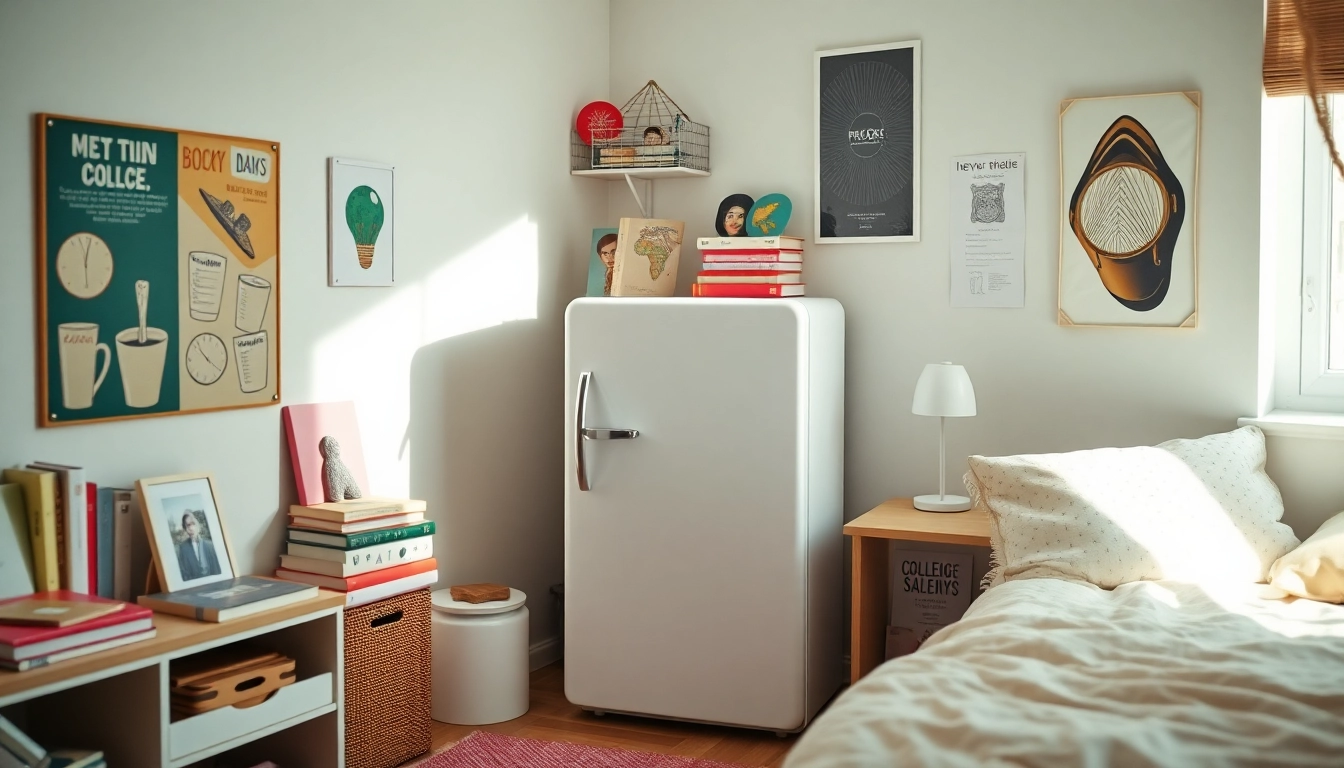
Understanding the Essentials of a Dorm Room Fridge
Having a dorm room fridge can greatly enhance your on-campus living experience. As students balance academics, social lives, and self-care, having easy access to snacks and beverages can be a game-changer. However, choosing the perfect fridge goes beyond merely picking one that fits your room; it’s about understanding what features cater to your specific needs, maximizing space, and ensuring energy efficiency.
What to Look for in Size and Capacity
One of the first decisions to make is selecting the right size and capacity for your dorm room fridge. Typically, dorm room fridges range from 1.7 to 4.5 cubic feet in capacity. For students who have a highly mobile lifestyle or limited space, smaller fridges suffice, while those looking to store more food or drinks might opt for larger models.
When determining size, consider the dimensions of your room and any designated spots where you may place the fridge. It’s wise to measure these spaces to ensure you select a model that fits comfortably without interfering with the everyday flow of your room. A general guideline is to plan for at least one cubic foot of capacity per person sharing the fridge. This helps maintain an adequate supply of perishable items without overcrowding.
Energy Efficiency Considerations
Energy efficiency is a crucial factor when choosing a dorm room fridge. The EnergyStar label is essential, indicating that the fridge meets strict energy efficiency guidelines set by the EPA. Not only will an energy-efficient model help you reduce your carbon footprint, but it can also save you money on your monthly utility bills.
Moreover, consider the wattage consumption of different models. Most efficient dorm room fridges operate at about 100-200 kWh annually, which translates into a much lower energy cost. Selecting a model that strikes a balance between size, capabilities, and energy consumption is paramount for your budget and the environment.
Noise Level and Location
Sound levels can significantly impact your dorm experience, especially when thinking about placement. While some dorm room fridges are quieter than others, they can still create noise, which may disrupt your study or sleep patterns. It is advisable to seek out models that specify low noise levels (around 35 decibels or lesser being optimal).
Placement is key; ideally, position your fridge away from your bed or study area to minimize disruption. If space allows, placing the fridge against a wall can absorb sound better than a standalone location. Additionally, ensure the fridge is equipped with adjustable legs to stabilize it and prevent unnecessary vibrations.
Top Features to Enhance Your Dorm Room Fridge
Once you have evaluated the essential considerations, it’s time to look into the features that can make using your dorm room fridge more convenient and efficient.
Temperature Control and Precision
Temperature control is critical for the safe storage of perishable items. The best dorm room fridges come with adjustable thermostats which allow you to set the ideal temperature depending on your needs. This feature ensures that dairy, meats, and other perishables remain fresh for an extended period.
Moreover, models with a temperature display provide a visual reference, allowing you to monitor conditions without constantly opening the fridge door, which saves energy and maintains optimal internal conditions.
Built-in Freezers and Additional Functions
A built-in freezer can offer tremendous flexibility for those wishing to have the option of frozen meals or ice. Fridges with a separate freezer compartment allow you to store ice cubes and frozen goods without sacrificing the entire refrigerated space, which is a multiple-use feature beneficial for storage efficiency.
Additionally, look for models that feature specialized compartments or bins designed specifically for certain products. This may include drink holders, fruit and vegetable crisper drawers, or shelves designed to maximize storage efficiency.
Smart Features in Modern Fridges
Modern technology has made its way into kitchen appliances, including dorm room fridges. Smart fridges come equipped with Wi-Fi connectivity that allows for notifications and alerts about temperature changes or if the door was left ajar. This feature enhances food safety while providing you peace of mind.
Some models may even have mobile apps that let you monitor the fridge from your smartphone, making it easier to manage your perishable items and streamline your meal prep process. It’s wise to evaluate how necessary these tech features are based on your lifestyle and habits.
Best Practices for Maintaining Your Dorm Room Fridge
A fridge, no matter its size, requires upkeep to function properly and safely. Adopting simple and effective maintenance habits ensures you get the most out of your appliance throughout the school year.
Regular Cleaning Routines
Regular cleaning should be part of your routine to avoid unpleasant odors and unwanted bacterial growth. It’s recommended to empty the fridge once a month, removing expired items and food remnants. Use a mild detergent and warm water to clean both the interior surfaces and shelves.
Pay special attention to spills, as they can attract pests. Additionally, maintain the exterior by wiping down any surfaces or fingerprints. Regular cleaning not only enhances the aesthetics of the fridge but can also prolong its lifespan.
Temperature Settings and Food Safety
The right temperature settings for your fridge are vital in preserving perishable items. Ideally, your fridge should be set at or below 40°F (4°C), while freezers operate ideally at 0°F (-18°C). Use a thermometer to gauge the internal temperature accurately, especially during the first time you set it up.
Maintain these temperatures consistently to reduce the risk of foodborne illnesses. Keep an eye on food expiration dates, and when in doubt, don’t consume items that appear to be compromised.
Common Issues and Troubleshooting
Understanding common fridge issues can save you time and money. Common problems include inconsistent cooling, unusual noises, and condensation clustering. For cooling issues, check that the thermostat is correctly set, and ensure that air vents are unobstructed.
For unusual noises, inspect for misalignment or loose parts. If condensation appears, this may indicate a malfunctioning seal around the door. If problems persist, consult the user manual for troubleshooting steps or contact a maintenance professional.
Choosing the Right Design for Your Space
When it comes to aesthetics, your fridge should complement your personal style while also fitting seamlessly into your dorm space. Design plays a significant role in not just function but also in enhancing the overall atmosphere of your room.
Color and Aesthetic Matching
Dorm rooms are often places for self-expression, and your fridge should reflect that. Consider the color scheme of your room when selecting a fridge model. Popular color options include classic white, sleek silver, and bold colors that can act as design statements. Choosing a color that aligns with or contrasts nicely with your existing décor can unify your space.
Additionally, look for finishes such as matte or glossy, which can alter the perception of space. A shiny fridge may appear more modern, while a matte finish can feel more subtle and organic.
Compact vs. Standard Models
Compact models are tailored for dorm living, allowing flexibility in tight spaces. These fridges are designed to fit under counters or desks, making them an excellent choice for students with limited room. Compact models generally sacrifice some capacity but are engineered for convenience.
On the other hand, standard models may offer extra storage but require more floor space. The choice between compact and standard often lies in balancing available space and personal needs for storage capacity, so choose according to what suits your style of living best.
Placement Strategies in Small Rooms
Strategic placement of your fridge can optimize space and accessibility. Avoid positioning your fridge directly in front of windows where sunlight can raise its internal temperature. Instead, placing it in an area away from heat sources will help maintain energy efficiency and avoid unnecessary strain on the compressor.
Consider arranging it near your study area for easy access to drinks and snacks while studying. Additionally, elevate it slightly on a stand if it is a compact model; this can make accessing items on shelves easier and create a cleaner aesthetic.
FAQs about Dorm Room Fridge Usage and Care
What size fridge is best for a dorm room?
A fridge between 1.7 to 4.5 cubic feet is ideal for dorm rooms. The choice depends on how many roommates share it and how much food you typically store.
How much energy does a dorm room fridge consume?
Typically, dorm room fridges consume about 100-200 kWh annually, which can translate to low energy costs, especially for EnergyStar-labeled models.
Can I use a regular fridge in my dorm?
While it is possible, regular fridges are often too large for dorm rooms and may exceed wattage limits set by dorm regulations. It’s essential to check with dorm requirements first.
How to prevent odors in a dorm fridge?
Regularly clean your fridge, store food in airtight containers, and place an open box of baking soda inside to absorb odors effectively.
Are there dorm fridges with freezers available?
Yes, many dorm room fridges come with built-in freezers. These separate compartments help you store ice and frozen foods without sacrificing refrigerator space.