Understanding TradingView: A Comprehensive Overview
In today's fast-paced financial markets, effective analysis tools are crucial for traders and investors. TradingView stands out as a robust platform that not only facilitates market research but also expedites the trading process. This article delves into the core features, analytical capabilities, and overall utility of TradingView, showcasing how it integrates various functionalities into a cohesive workspace, making it an indispensable tool for traders across different asset classes.
What is TradingView and Its Core Features?
TradingView is a web-based platform designed for charting and analyzing financial markets. It provides users with a wide array of tools such as advanced charting capabilities, real-time data feeds, and a variety of analytical tools. One of the standout features of TradingView is its user-friendly interface, which allows traders to create customized charts that suit their trading styles. Key features include:
- Advanced Charting Tools: Users can create multi-timeframe and multi-asset charts, applying a variety of technical analysis indicators and tools.
- Pine Script: This built-in scripting language enables users to create custom studies and alerts, significantly enhancing their trading strategies.
- Community Insights: With a social aspect to trading, users can share insights, strategies, and analysis with a vast community of traders.
- Alerts and Notifications: Users can set price alerts and notifications based on various conditions, ensuring they never miss critical market movements.
- Strategy Tester: This feature allows traders to backtest their strategies against historical data to evaluate performance before deploying in live markets.
How TradingView Simplifies Market Analysis
Traditional market analysis often involves a fragmented approach, utilizing multiple tools and platforms for different asset classes. TradingView consolidates these functionalities into a single interface, simplifying the process of market analysis. By allowing users to track stocks, forex, cryptocurrencies, and derivatives from one platform, it saves time and reduces complexity. The platform’s seamless integration of diverse data sets and analysis tools empowers traders to make informed decisions quickly.
The Importance of a Unified Trading Platform
In the rapidly changing landscape of financial markets, traders are increasingly seeking all-in-one solutions. A unified trading platform like TradingView promotes efficiency by providing real-time data, alerts, and tools in one location. This integration allows traders to:
- Monitor multiple asset classes in real-time without switching between different software.
- Utilize advanced filtering tools to identify potential trading opportunities based on technical and fundamental criteria.
- Implement and test trading strategies without the need for external software, reducing the margin for error.
Setting Up Your TradingView Workspace
Creating an effective workspace on TradingView is integral to maximizing its functionality. Users can tailor their environments to reflect their trading styles, preferences, and the specific markets they engage with.
Creating Custom Layouts for Optimal Analysis
One of the first steps in setting up your TradingView workspace is to create custom layouts that suit your analytical needs. Users can save multiple layouts for different asset classes and trading strategies, allowing for quick access:
- Multiple Chart Layouts: Use side-by-side charts for comparative analysis of different assets.
- Customized Indicators: Tailor indicator settings and overlays for clarity and focus on critical data points.
- Personalized Themes: Select color schemes and themes that reduce eye strain and enhance visibility during long analysis sessions.
Utilizing Multiple Screen Layouts Effectively
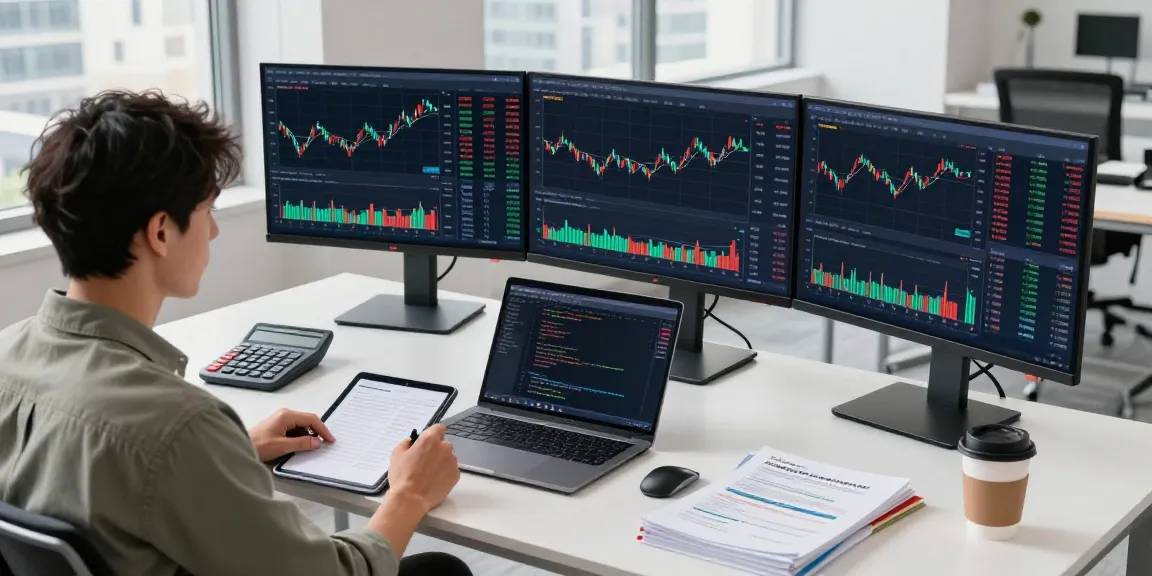
For traders who engage in day trading or require extensive market monitoring, utilizing multiple screens on TradingView can enhance productivity. The platform supports multiple monitors, providing an expansive view of charts and data. Here are some effective ways to leverage multiple screens:
- Display different asset classes on separate screens to monitor varied trading opportunities simultaneously.
- Keep one screen dedicated to social feeds or community insights for real-time strategies and discussions.
- Utilize a dedicated screen for news and economic calendars to ensure you are updated with market-moving events.
Integrating Alerts and Notifications into Your Workflow
Setting up alerts is a game-changer for traders, allowing them to respond to market movements without continuously monitoring charts. TradingView offers a straightforward alert system that can be configured based on price levels, percentage changes, or custom indicators. This provides a proactive approach to trading:
- Receive notifications via email, SMS, or app alerts for market events that meet your criteria.
- Customize alert conditions for specific technical indicators, ensuring you are notified only under relevant circumstances.
- Utilize community alerts shared by other traders to benefit from shared insights and strategies.
Analyzing Stocks, Forex, and Cryptocurrencies with TradingView
The comprehensive capabilities of TradingView extend across multiple asset classes, making it a versatile tool for diverse trading strategies. This aspect is particularly useful for traders who operate in multiple markets.
Using Pine Script for Custom Indicators
Pine Script is an integral part of TradingView that allows users to create custom indicators tailored to their trading needs. This scripting language can be used to code unique strategies, which can then be tested using the Strategy Tester. Here are some practical applications of Pine Script:
- Create unique indicators that incorporate multiple data points and technical indicators into one visual.
- Develop alerts based on complex criteria that standard indicators may not cover.
- Share your custom scripts with the TradingView community for feedback and improvement.
Implementing Strategy Testers for Backtesting Trades
One of the main advantages of TradingView is the Strategy Tester feature, enabling traders to backtest their strategies against historical data. This process is critical for evaluating the viability of trading strategies before committing real capital. Key aspects include:
- Testing different strategies over various timeframes to adapt to changing market conditions.
- Assessing key metrics such as win rate, risk-to-reward ratio, and maximum drawdown.
- Refining strategies based on backtesting results to maximize profitability in live trading.
Leveraging Community Insights for Better Decisions
The TradingView community is a treasure trove of insights, offering diverse perspectives that can enhance your trading strategies. By engaging with community ideas, users can:
- Discover trending trading ideas and strategies that others are successfully implementing.
- Participate in discussions and ask questions to gain clarity on complex market conditions.
- Contribute your analyses to the community to build reputation and credibility among peers.
Best Practices for Trading with TradingView
Establishing best practices when using TradingView can lead to more structured and disciplined trading habits. Here are some essential practices:
Establishing a Routine for Consistent Trading
Developing a daily trading routine can significantly enhance performance. Traders should adhere to a consistent schedule that includes:
- Pre-market analysis to identify potential trading opportunities.
- Regularly reviewing and adjusting strategies based on recent market data.
- Setting aside time for documenting trades and analyzing past decisions.
Documenting Your Trades and Analyzing Outcomes
Maintaining a trading journal is vital for understanding performance and improving decision-making. Utilize TradingView to track trades by noting:
- The rationale behind each trade, including market conditions and emotional state.
- Key metrics and outcomes to identify patterns and areas for improvement.
- Post-trade reviews to refine strategies based on successful and unsuccessful trades.
Understanding Market Trends and Sentiments
To make informed trading decisions, it is crucial to analyze market trends and overall sentiment. TradingView provides tools to gauge market mood through:
- Technical analysis indicators that reflect current market conditions.
- Sentiment indicators that represent trader sentiment towards specific assets.
- Market news and analysis to understand external factors influencing price movements.
Future Trends in Market Analysis Tools (2026 and Beyond)
As technology rapidly evolves, market analysis tools are expected to evolve alongside them. Here, we explore the trends likely to shape the future of trading platforms like TradingView.
Emerging Technologies and Their Impact on Trading
Emerging technologies such as artificial intelligence (AI) and blockchain are set to revolutionize trading platforms. AI can enhance trading strategies through predictive analytics, while blockchain promises more secure and transparent transactions. Traders should anticipate:
- Enhanced algorithmic trading strategies powered by machine learning.
- More robust data security measures integrated into trading platforms.
- The incorporation of decentralized finance (DeFi) into mainstream trading platforms.
The Role of AI and Machine Learning in Trading Platforms
AI and machine learning technologies will play a crucial role in the future of trading platforms, automating complex analyses and optimizations. Potential advancements include:
- Personalized trading experiences based on user behavior and preferences.
- Advanced predictive models that analyze historical data to forecast market movements.
- Real-time sentiment analysis based on market data and news feeds.
Predictions for TradingView’s Evolution
As TradingView continues to innovate, we can expect several enhancements that will refine user experience and functionality. Predictions for TradingView's evolution include:
- Increased integration of social trading features, allowing for more collaboration among traders.
- Expanded asset classes and markets available for analysis on the platform.
- Further developments in mobile app capabilities for on-the-go trading and analysis.
What are the key considerations for 2026?
Looking ahead to 2026, traders should consider how market developments may impact their strategies. Key considerations include:
- The growing significance of sustainable investing and its influence on market trends.
- Increasing regulatory scrutiny surrounding trading practices and its potential impact on strategies.
- Developing skills to navigate automated trading environments as algorithms gain prominence.
Frequently Asked Questions about TradingView
What is TradingView used for?
TradingView serves as a comprehensive platform for charting, analysis, and trading. Users leverage it to analyze various financial markets, develop strategies, and engage with a community of fellow traders.
How can I maximize my TradingView experience?
To maximize your TradingView experience, utilize its full range of features, engage actively with the community, and establish a disciplined trading routine that leverages the platform's capabilities.
Are there any costs associated with TradingView?
While TradingView offers a free tier with limited features, users can opt for premium subscriptions that provide enhanced functionalities such as additional chart layouts, larger historical data sets, and advanced analysis tools.
What differentiates TradingView from its competitors?
TradingView stands out due to its user-friendly interface, extensive community engagement, and a robust set of tools and features that cater to both novice and experienced traders, all within a unified platform.
How can I connect TradingView to my broker?
Users can connect TradingView to supported brokers directly from the platform, allowing for seamless trading execution based on analyses conducted within the TradingView environment.