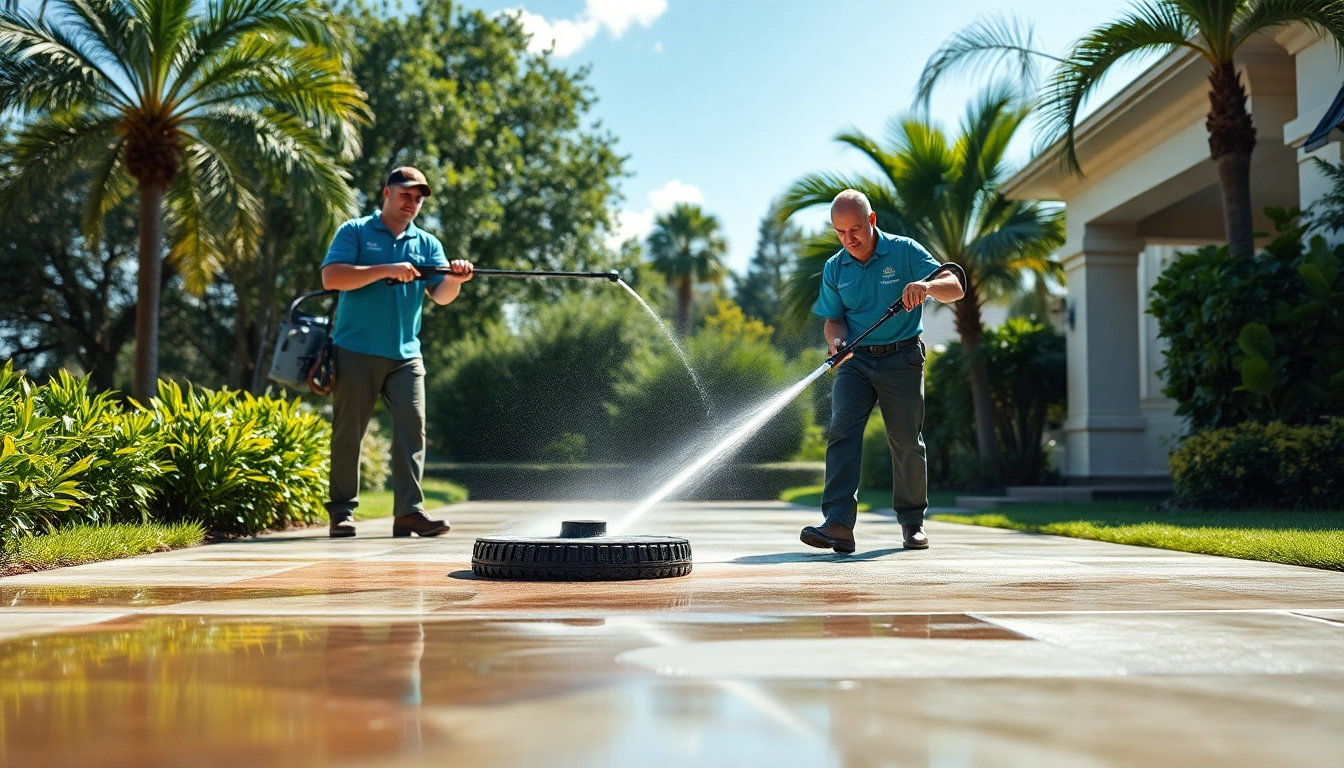
Understanding the Importance of Concrete Cleaning
Concrete surfaces are often the unsung heroes of our homes and businesses, enduring heavy foot traffic, weather elements, and various contaminants. Ensuring these surfaces remain clean is not just about aesthetics; it's essential for longevity and safety. Whether you're a homeowner looking to enhance curb appeal or a business owner keen on making a lasting impression, understanding the importance of concrete cleaning is crucial.
Why Concrete Cleaning Matters
Regular concrete cleaning is vital for several reasons, including:
- Aesthetic Appeal: Clean concrete surfaces enhance the overall look of your property, creating a welcoming environment.
- Safety: Removing slippery substances such as algae and oil prevents accidents, making your walkways and driveways safer for everyone.
- Longevity: Regular maintenance can prolong the lifespan of your concrete surfaces by preventing damage from mold, mildew, and stains.
- Value Preservation: Keeping concrete clean helps maintain property value, making it an attractive option for potential buyers.
Common Types of Concrete Stains
Understanding the types of stains that can affect your concrete can help you choose the right cleaning methods:
- Oil and Grease Stains: Commonly found in driveways or garage floors, these stains can be tricky to remove without proper techniques.
- Rust Stains: Often caused by metal objects resting against concrete, rust stains can be particularly stubborn.
- Mold and Mildew: These thrive in humid conditions and can make concrete slippery if not addressed promptly.
- Food and Drink Spills: Grime from barbecues or parties can leave unsightly marks, especially if they penetrate the surface.
Benefits of Professional Concrete Cleaning
While DIY cleaning methods may work for minor stains, professional cleaning offers numerous benefits:
- Expertise: Professionals have the knowledge and tools to tackle different stains effectively, ensuring a thorough clean.
- Time-Saving: Hiring experts frees up your time to focus on more important tasks.
- Effective Solutions: Professionals use advanced techniques and eco-friendly products that are safe for your family and pets.
- Improved Results: With high-quality equipment and cleaning solutions, professionals can achieve results that exceed typical DIY efforts.
Essential Tools for Effective Concrete Cleaning
Having the right tools is essential for effective concrete cleaning. Here’s what you need:
Choosing the Right Pressure Washer
A pressure washer is often the go-to tool for concrete cleaning. The right pressure washer should feature:
- High Pressure: Look for units capable of delivering at least 3000 PSI for tough stains.
- Adjustable Nozzle: This allows you to control the spray intensity, making it versatile for different surfaces.
- Hot Water Capability: Hot water pressure washers can effectively dissolve oil and grease, leading to better cleaning outcomes.
Eco-Friendly Cleaning Solutions
Using eco-friendly cleaning solutions not only protects the environment but also ensures your safety. Popular options include:
- Baking Soda and Water: A safe, natural option for mild stains.
- Vinegar: Effective against mold and mildew, it can be combined with baking soda for an extra boost.
- Commercial Eco-Friendly Cleaners: Many brands offer concrete cleaners that are both effective and environmentally safe.
Safety Equipment for Concrete Cleaning
When cleaning concrete, safety should always be a priority. Essential safety gear includes:
- Gloves: Protect your hands from harsh chemicals and grit.
- Goggles: Shield your eyes from splashes and debris.
- Non-Slip Footwear: Ensure stability on potentially slippery surfaces during the cleaning process.
- Mask or Respirator: Prevent inhalation of harmful fumes from cleaning agents.
Step-by-Step Guide to Concrete Cleaning
To effectively clean your concrete surfaces, follow these detailed steps:
Preparing Your Concrete Surface
Before you start, ensure your concrete surface is ready:
- Clear the Area: Move furniture, potted plants, and any obstacles off the concrete surface.
- Inspect for Damage: Look for cracks or chipping, which may require repair before cleaning.
- Wet the Surface: Lightly misting the area can help loosen dirt.
Applying the Cleaning Solution
Once prepared, it’s time to apply the cleaning solution:
- Mix the Solution: Follow the manufacturer's instructions for mixing your chosen cleaning solution.
- Use a Sprayer: A pump sprayer ensures even application of the cleaning solution across the surface.
- Let It Sit: Allow the solution to dwell for 5-10 minutes for optimal results, but do not let it dry out.
How to Use a Pressure Washer Effectively
Using a pressure washer requires some finesse:
- Keep a Safe Distance: Maintain a distance of about 12 inches from the surface to avoid damage.
- Choose the Right Angle: Start at a low angle and increase if necessary; this will help avoid pitting the concrete.
- Work in Sections: Clean the concrete in overlapping passes for even coverage.
- Rinse Thoroughly: After washing, thoroughly rinse the area with clean water to remove any residual cleaner.
Maintaining Clean Concrete Surfaces
After cleaning, it's essential to maintain your concrete surfaces to keep them looking their best:
Regular Maintenance Tips
Consider adopting these maintenance tips:
- Routine Checks: Regularly inspect your concrete for stains or damage.
- Immediate Cleaning: Address spills as soon as they occur to prevent staining.
- Seasonal Power Washing: Plan for a thorough wash at least twice a year, particularly after winter or heavy rains.
Seasonal Considerations for Concrete Care
Different seasons bring different challenges for concrete care:
- Spring: Ideal for cleaning after winter’s toll; remove any salt residues from de-icing.
- Summer: Keep an eye on algae growth in humid conditions; regular maintenance can help.
- Fall: Clear leaves and debris that can trap moisture and promote mold growth.
- Winter: Protect concrete from freeze-thaw cycles by sealing it after cleaning.
How Weather Affects Concrete Cleaning
Weather can significantly impact the effectiveness of your cleaning efforts:
- Humidity: High humidity can prolong drying times, allowing mold to grow faster.
- Temperature: Cleaning in extreme temperatures can affect the effectiveness of cleaning solutions and techniques.
- Rain: Ensure surfaces are dry before applying any cleaning agents to avoid dilution.
Future Trends in Concrete Cleaning
As technology evolves, so do the methods and materials used for concrete cleaning. Here are some trends to watch for:
Innovative Cleaning Technologies for 2025
Emerging technologies are transforming concrete cleaning:
- Automated Cleaning Machines: Robotics may soon be capable of performing routine cleaning tasks.
- Smart Pressure Washers: Wi-Fi enabled pressure washers for remote control and monitoring efficiency.
- Advanced Biodegradable Cleaners: New formulations ensuring effective cleaning while being safe for the environment.
Sustainable Practices in Concrete Cleaning
As environmental concerns grow, sustainable cleaning practices are likely to increase. This includes:
- Water Conservation: Techniques that use less water or recycle wastewater.
- Eco-Friendly Chemicals: Emphasis on non-toxic, biodegradable cleaning agents that minimize environmental impact.
The Role of Customer Education in Maintenance
Educating customers about maintaining their concrete surfaces plays a crucial role in the cleaning process:
- Workshops: Hosting workshops on proper concrete care and DIY cleaning techniques.
- Resource Guides: Providing easy-to-follow guides on routine maintenance can empower homeowners.
- Personalized Consultations: Offering one-on-one consultations to address specific concerns can enhance customer satisfaction.